

When preparing your home or business for an inspection, knowing what will fail an electrical inspection can save you time, money, and stress. Electrical inspections are designed to protect your property and everyone inside from hazards like shocks and fires. If your wiring, panels, or devices don’t meet safety standards, an inspector will flag them, delaying approvals or even forcing costly repairs. Understanding the most common reasons for failure helps you act before the inspector arrives and keeps your electrical system running safely.
Outdated Wiring
Old or deteriorated wiring often cannot handle modern electrical loads, which can put your home or business at risk of overheating circuits and electrical fires. Knob-and-tube wiring, commonly found in homes built before the 1950s, lacks grounding and may have brittle insulation that can crack over time. Aluminum wiring, while popular in the 1960s and 1970s, is prone to oxidation and loose connections, creating potential fire hazards.
Inspectors carefully examine these systems for frayed wires, exposed conductors, and any signs of corrosion. Even if your outlets and switches seem to work fine, outdated wiring can deliver inconsistent voltage, cause appliances to malfunction, and increase the likelihood of shocks or electrical surges. Addressing these issues early helps you pass inspection and reduces safety risks.
Improperly Installed Outlets and Switches
Loose, ungrounded, or incorrectly wired outlets and switches are among the most common reasons homes fail electrical inspections. Over time, outlets can become loose from repeated use, creating poor connections that increase the risk of arcing and electrical fires. Ungrounded outlets are especially hazardous because they lack a safe path to divert excess electricity, putting you and your family at risk of electric shock.
GFCI outlets are required in areas like kitchens, bathrooms, garages, and outdoor spaces because they detect ground faults and quickly cut power to prevent injury. If these outlets are missing, installed incorrectly, or not functioning properly, an inspector will flag them immediately. Other issues include reversed polarity, overloaded outlets, or switches wired backwards, all of which can compromise safety and lead to costly repairs. Regular checks and professional installation help prevent these failures and keep your electrical system reliable.
Overloaded Circuits
If your circuits frequently trip or your breakers are overloaded, it is a clear sign that your electrical system cannot safely handle the current demand. Overloaded circuits occur when too many high-wattage appliances, such as ovens, dryers, or air conditioners, share the same line, causing the wiring to heat up and potentially creating a fire hazard. Frequent tripping not only interrupts your daily activities but can also damage sensitive electronics and appliances.
Inspectors pay close attention to this issue because it indicates that your system may need upgrades to meet modern electrical demands. Installing dedicated circuits for major appliances or high-demand areas means that each device receives a stable flow of electricity, reduces the risk of breaker trips, and helps your home or business pass inspection safely.
Faulty Breaker Panels
Breaker boxes that are outdated, damaged, or improperly wired are a major concern for any home or business. Inspectors carefully examine panels for issues such as double-tapped breakers, which occur when two wires are connected to a single breaker and can overheat. Missing or loose covers, rust, and visible signs of wear are also red flags that can lead to safety violations.
A defective panel can fail to trip during an overload, increasing the risk of fires and equipment damage. Older panels may not have enough capacity to handle modern electrical loads, causing frequent breaker trips and inconsistent power. Upgrading or repairing your breaker box supports efficient electrical system operation, protects your property, and helps you pass inspections without delays or costly penalties.
Improper Grounding
Grounding protects you from electrical shock by providing a safe path for stray electricity to flow into the earth, preventing injuries and electrical fires. Missing, damaged, or incorrect grounding connections are a frequent reason homes and businesses fail electrical inspections. Inspectors carefully check that all outlets, panels, and appliances are properly grounded to meet safety codes.
Without proper grounding, even small electrical faults can pose serious risks, potentially damaging appliances or creating shock hazards. In older homes, grounding may be inadequate or completely absent, requiring upgrades to modern standards. Ensuring proper grounding not only helps you pass an inspection but also improves the overall safety and reliability of your electrical system.
Aluminum Wiring Issues
While aluminum wiring was once a popular choice for residential electrical systems, it presents higher fire risks if not properly maintained. Aluminum expands and contracts more than copper, which can cause connections to loosen over time. Oxidation can also form at connection points, reducing conductivity and generating heat. These issues increase the likelihood of arcing, short circuits, and even fires, making aluminum wiring a common reason for failed inspections.
Inspectors often pay close attention to homes built between the 1960s and 1970s, when aluminum wiring was widely used. Upgrading connections with proper connectors or replacing aluminum wiring with copper can improve safety, stabilize your electrical system, and help verify that your property meets current code standards. Regular professional inspections are especially important in homes with aluminum wiring to catch problems before they escalate.
Non-compliant Lighting Fixtures
Lighting that isn’t rated for its specific location can often cause an electrical inspection to fail. For example, fixtures in bathrooms or outdoor areas need to be damp- or wet-rated to handle moisture safely. Using the wrong type of fixture can lead to corrosion, short circuits, or even shocks. Improperly installed recessed lighting is another common problem, especially if it lacks proper insulation or clearance from combustible materials.
Exposed wiring, loose connections, or improperly secured fixtures also raise red flags during an inspection. Inspectors carefully review every fixture to make sure it meets code, operates safely, and does not pose a fire hazard. Upgrading to properly rated fixtures and having a licensed electrician install or inspect your lighting can prevent failures, improve safety, and extend the lifespan of your system.
Improper Electrical Boxes
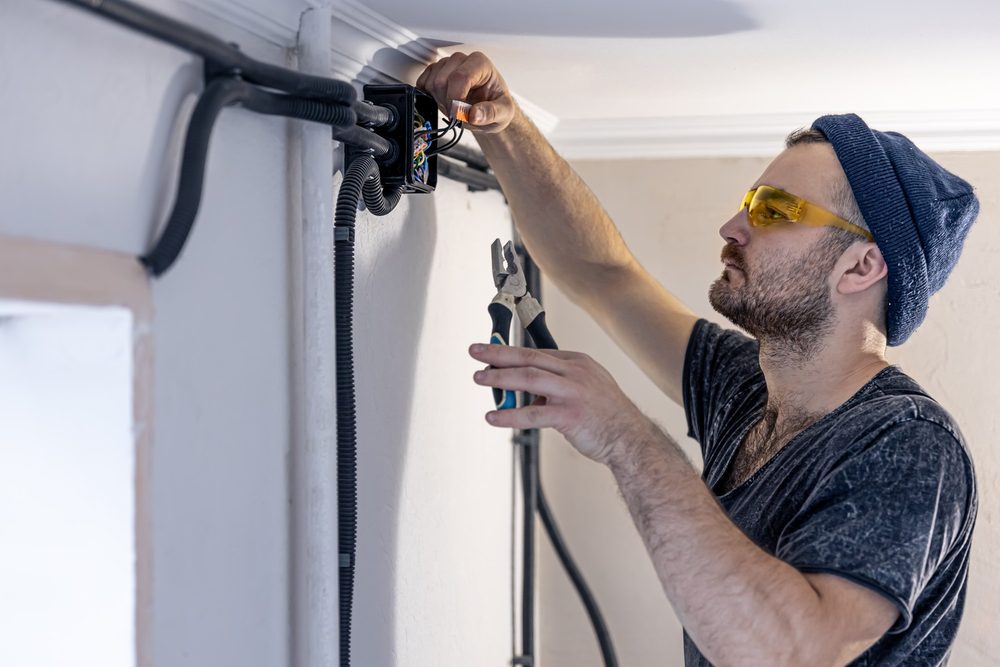
Electrical boxes that are too small, missing covers, or not securely mounted are frequent reasons for failed inspections. Each outlet, switch, and junction requires a properly sized and installed enclosure to protect wires and connections from damage and reduce fire risks. Oversized or crowded boxes can cause wires to bend or rub against sharp edges, leading to insulation wear and potential shorts.
Missing covers leave live wires exposed, creating shock hazards for anyone near the area. Inspectors also check that boxes are firmly attached to studs or other supports, preventing movement that could loosen connections over time. Upgrading or replacing inadequate boxes helps your system comply with safety codes, protects your home, and helps you pass inspections smoothly.
Extension Cords as Permanent Wiring
Using extension cords as a substitute for permanent wiring is a serious safety violation and a common reason homes fail electrical inspections. Extension cords are designed for temporary use only and are not built to handle the constant load that permanent wiring supports. Relying on them long-term increases the risk of overheating, electrical fires, and damaged appliances.
Inspectors immediately flag this practice because it signals that your electrical system may not have enough circuits to safely accommodate your needs. Overloaded extension cords can melt insulation, create sparks, and even start fires. Installing dedicated circuits for major appliances or high-demand areas helps maintain a stable flow of electricity without relying on unsafe temporary solutions. Addressing this issue not only helps you pass inspections but also keeps your home or business safer for daily use.
Missing or Non-functional Smoke and Carbon Monoxide Detectors
Safety devices, such as smoke detectors and carbon monoxide detectors, are an important part of any electrical inspection. Inspectors check that these devices are installed in the correct locations, properly wired to the electrical system if required, and equipped with functioning batteries. A detector that is missing, improperly installed, or has dead batteries can easily cause a home or business to fail inspection.
These devices protect you and your family by providing early warnings of fire or dangerous gas buildup. Maintaining and testing detectors regularly helps verify that they operate correctly and remain compliant with safety codes. Upgrading older units to modern, interconnected detectors can also improve your home’s overall safety and reduce the risk of injury or property damage. Meeting these requirements helps you pass inspections and supports safer everyday operation of your home’s electrical system.
Incorrect Wire Sizing
Using wires that are too small for the circuit’s amperage can overheat, damage insulation, and create a serious fire hazard. Inspectors carefully check that all wiring matches the load it carries and complies with local electrical codes. Aaron’s Electrical Service handles everything from residential and commercial electrical repair to panel changes, EV charging installations, generators, and emergency calls.
Our licensed electricians prioritize long-term safety and dependable system performance. We offer 24/7 service, lifetime workmanship warranties, and a customer-first approach that protects your home, prevents costly issues, and supports a safer, more dependable electrical environment for you and your family. By addressing potential wiring problems early, you can avoid emergencies and maintain a smooth, worry-free electrical system.