

Electrical fires can start quietly and spread fast. A warm outlet, a flickering light, or a breaker that keeps tripping may look minor, but they can point to heat buildup behind walls or inside devices. Many incidents trace back to everyday habits, aging components, or overlooked maintenance.
This guide covers common electrical fire causes and practical ways to prevent them. Use it as a checklist for safer routines and smarter upgrades.
Overloaded Outlets and Power Strips
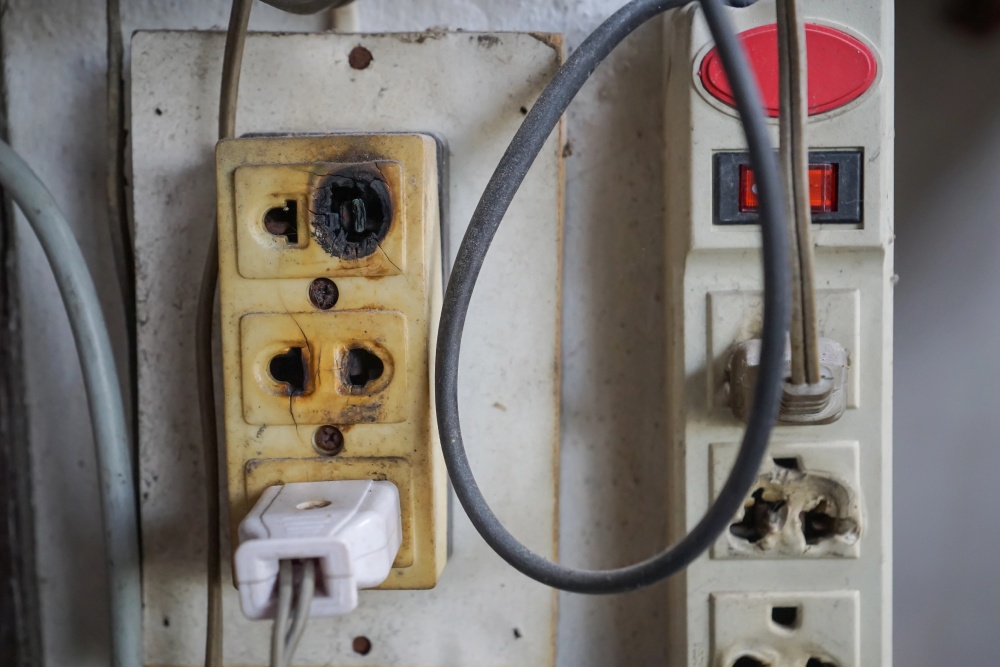
Plugging too many devices into one outlet is one of the most frequent triggers for overheating. High draw appliances like heaters, kettles, microwaves, irons, and air fryers can quickly exceed what a socket or strip can handle. Heat builds at the contact points, especially if the plug fit is loose or the strip is low quality.
Prevent it by spreading heavy loads across separate wall outlets on different circuits. Use a power strip only for low draw electronics, and pick one with a built-in overload breaker from a reputable brand. If you regularly need more sockets, consider adding outlets through a licensed electrician instead of stacking adapters.
Faulty Wiring and Aging Electrical Systems
Older homes may still have wiring, joints, or breaker panels that were designed for smaller loads than modern living demands. With time, insulation can crack, connections can loosen, and junction boxes can become crowded. A loose connection acts like a tiny heater, slowly charring materials until ignition happens.
Prevention starts with a professional inspection if your home is older, recently renovated poorly, or showing symptoms like dimming lights, buzzing at switches, warm walls near outlets, or frequent breaker trips. Upgrading the panel, replacing deteriorated wiring, and correcting unsafe junctions reduces heat risks dramatically.
Damaged Cords and Extension Cable Misuse
Cords get crushed under furniture, pinched in doors, bent sharply, or scraped on rough surfaces. Internal wires can fray while the outer jacket still looks fine. Extension cords add another layer of risk when used as permanent wiring, chained together, or run under rugs where heat cannot dissipate.
Replace cords with cracks, loose plugs, or exposed conductors right away. Keep cords visible, uncoiled, and away from walkways. Use extension cords only as a short-term solution and match the cord rating to the device load. For high draw appliances, skip extension cords entirely and plug directly into a wall outlet.
Loose Outlets, Switches, and Poor Connections
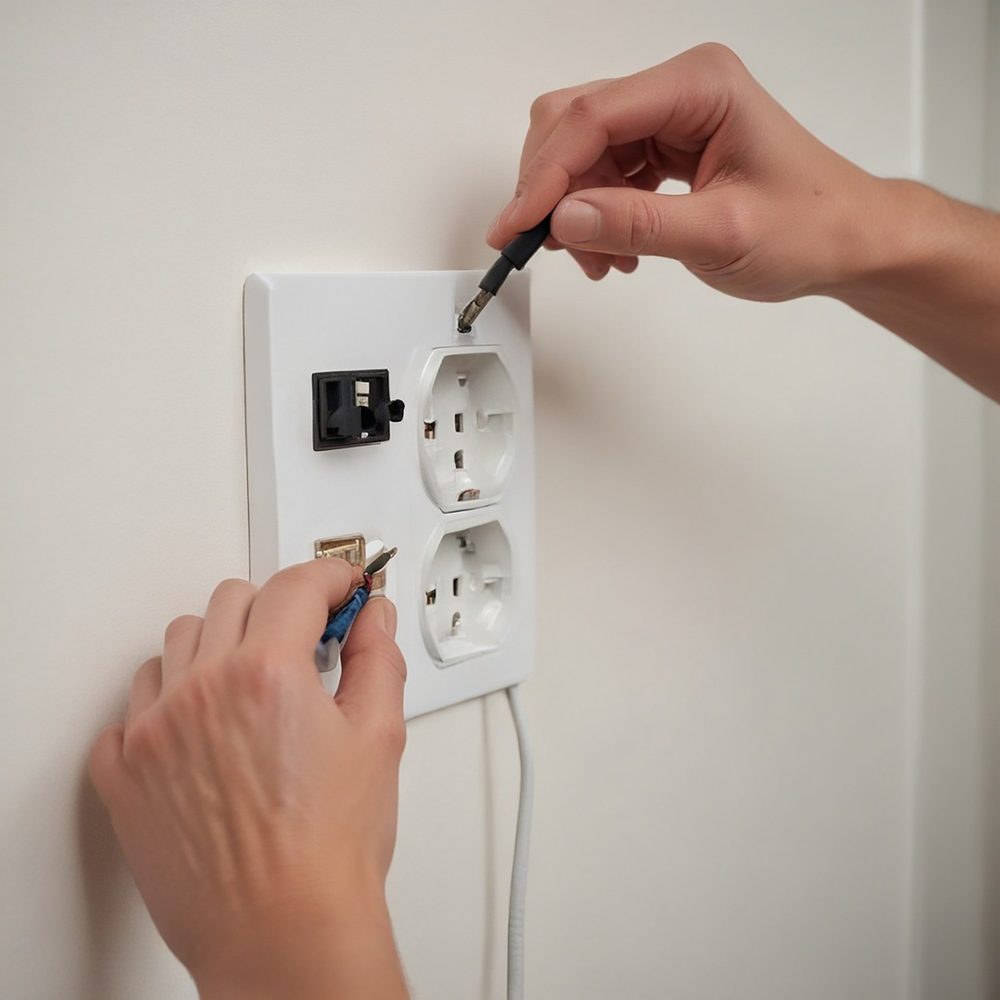
An outlet that feels wobbly, a switch that crackles, or a plug that falls out easily signals poor contact. Poor contact increases resistance, which increases heat. Over time, that heat can damage the outlet body and the surrounding wall material, especially in older installations.
If a plug fit feels loose, stop using that outlet and have it replaced. Look for discoloration, scorch marks, or a burning smell around outlets and switches. These are immediate stop signs. Replacing a worn receptacle is usually simple for an electrician and makes a big difference in safety.
Misused or Incorrect Fuses and Breakers
Breakers and fuses are designed to cut power when a circuit draws too much current. Problems start when someone replaces a fuse with a higher rating, uses an incorrect fuse type, or bypasses protections due to repeated trips. That allows wires to carry more current than they were designed for, raising fire risk inside walls.
If a breaker trips often, treat it as a warning, not an inconvenience. Reduce the load and identify the cause. Common culprits include space heaters, old refrigerators, faulty motors, or too many devices on one circuit. Have an electrician test the circuit and confirm breaker sizing matches the wire gauge.
Space Heaters and Portable Heating Appliances
Portable heaters cause many home fires because they draw high current and often sit close to curtains, bedding, sofas, or clothing. Even when the heater works correctly, a loose plug, a weak outlet, or an underrated extension cord can overheat. Dust buildup on heater elements can also ignite.
Place heaters on a hard, flat surface with clear space around them. Plug them directly into a wall outlet. Turn them off when sleeping or leaving the room. Choose models with tip-over shutoff and overheat protection, and keep them clean by following the manufacturer’s maintenance guidance.
Kitchen and Laundry Appliance Faults
Appliances with heating elements and motors are common sources of electrical and thermal stress. Toasters collect crumbs, ovens run at high temperatures, dryers accumulate lint, and washing machines vibrate connections loose over time. A frayed cord on a microwave or a worn terminal on a dryer can create arcing and heat.
Clean and maintain appliances on a schedule. For dryers, remove lint from the filter every cycle and clean the vent path regularly. Keep cords away from hot surfaces and sharp edges. If an appliance smells hot, trips a breaker, or shows sparking at the plug, stop using it and get it serviced.
Light Fixtures, Bulbs, and Heat Buildup
Using the wrong bulb wattage in a fixture can overheat sockets and surrounding materials. Enclosed fixtures, older lamp holders, and recessed lights can trap heat if paired with bulbs that run too hot. Loose bulbs can also arc at the base, creating localized heat and damage.
Check the maximum wattage rating on fixtures and follow it. Consider LED bulbs, which run cooler and draw less power. If a light flickers, buzzes, or smells hot, switch it off and inspect the bulb and socket. Recessed lighting installation should have proper insulation clearance and the right housing type for the ceiling.
DIY Electrical Work and Substandard Components
Home fixes can go wrong when wire sizes are mismatched, connections are twisted without proper connectors, grounding is ignored, or junctions are left outside electrical boxes. Low quality outlets, counterfeit power strips, and cheap chargers can also fail and overheat, especially under continuous use.
Use certified components and buy from trusted sellers. Avoid off-brand chargers for phones, laptops, and power tools, since failures often happen during long charging sessions. For wiring changes, hire a licensed electrician who follows code practices, uses the right connectors, and tests circuits after work is completed.
Arcing, Moisture Exposure, and Outdoor Power Risks
Electricity and moisture are a dangerous mix. Bathrooms, kitchens, balconies, and outdoor areas expose outlets and plugs to humidity, splashes, and rain. Moisture can corrode contacts, raise resistance, and lead to arcing. Outdoor extension cords can also degrade under sunlight and heat, cracking insulation.
Use GFCI protection in wet areas and outdoors, and replace outlets that show corrosion or discoloration. Keep outdoor connections off the ground and use weather-rated covers. If you see sparking, hear sizzling, or notice a scorched plug, disconnect power at the breaker and call a professional.
Warning Signs You Should Not Ignore
Electrical fires often give signals before they happen. Acting early reduces damage and risk.
- Burning smell, melting plastic odor, or smoke near outlets or devices
- Warm outlets, switches, or plug faces
- Frequent breaker trips or blown fuses
- Flickering lights not tied to utility issues
- Buzzing, sizzling, or crackling sounds from panels or outlets
If any of these appear, stop using the affected circuit or device and get it checked by a licensed electrician.
Need a Houston Electrician You Can Count On?
If an outlet feels hot, breakers keep tripping, or lights flicker, get help before a small issue turns into expensive damage. At Aaron’s Electrical Service, we provide residential and commercial electrical services in Houston and the Dallas Fort Worth area. Our licensed electricians handle everything from repairs and inspections to panel work, rewiring, and standby generator installs.
We take calls 24/7 and offer after-hours help for urgent situations, backed by a lifetime workmanship warranty and a 100% satisfaction guarantee. Request service today and ask about current specials so you can book with confidence.