

If you have ever had the power cut out after plugging in a space heater or running too many appliances at once, you have met a circuit breaker. If you have bought a power strip that promises to protect your TV or laptop from voltage spikes, you have used a surge protector. Both are about electrical safety, but they solve different problems, operate in different ways, and live in different places in your electrical setup.
Understanding the difference between a circuit breaker vs. surge protector helps you protect wiring, devices, and expensive electronics without overbuying or relying on the wrong product for the job.
What Does a Circuit Breaker Do?
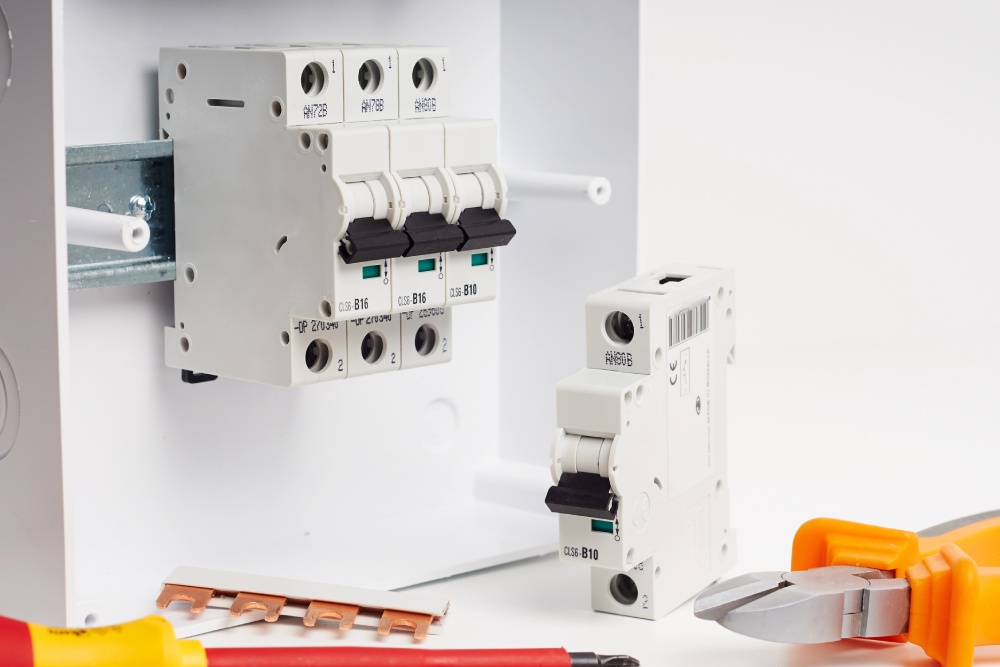
A circuit breaker is a safety switch inside your electrical panel. Its job is to stop electrical flow when the circuit draws more current than the wiring can handle. Too much current heats wires, damages insulation, and can lead to fires. The breaker prevents that by tripping and cutting power.
Most breakers work through one of two mechanisms. A thermal element responds to heat from sustained overloads, like running too many devices on one circuit. A magnetic element reacts quickly to sudden high current, such as short circuits. After the issue is fixed, you can reset the breaker by switching it back on.
The right breaker panel installation protects the building’s wiring and circuits first. They also indirectly protect devices by stopping dangerous current levels, but they are not designed to stop fast voltage spikes.
What a Surge Protector Does
A surge protector defends electronics against brief voltage spikes, often called surges or transients. These can come from lightning activity, utility grid switching, or large motors in appliances cycling on and off. A surge can last a fraction of a second, yet it can still degrade circuits in TVs, routers, gaming consoles, and computers.
Most common surge protectors use components called metal oxide varistors, or MOVs. An MOV sits quietly during normal voltage. When voltage jumps above a set level, it diverts extra energy away from connected devices, usually to the ground wire. This reduces the voltage that reaches your equipment.
Surge protectors do not stop overloads the way breakers do. Many power strips include a basic breaker-like reset switch, but that is usually for the strip itself and does not replace the protection built into your electrical panel.
The Main Difference
A circuit breaker protects your home’s electrical circuit from too much current. A surge protector protects your plugged-in devices from too much voltage for a very short time.
Think of current like how much water flows through a pipe. A breaker reacts when the flow gets too high for the pipe’s capacity. Voltage is like pressure. A surge protector reacts when pressure spikes suddenly and could rupture delicate parts inside electronics.
Where Each One Is Installed
Circuit breakers are installed in the main service panel or a subpanel. Each breaker feeds a branch circuit that powers outlets, lights, or appliances. If a breaker trips, everything on that circuit loses power until it is reset.
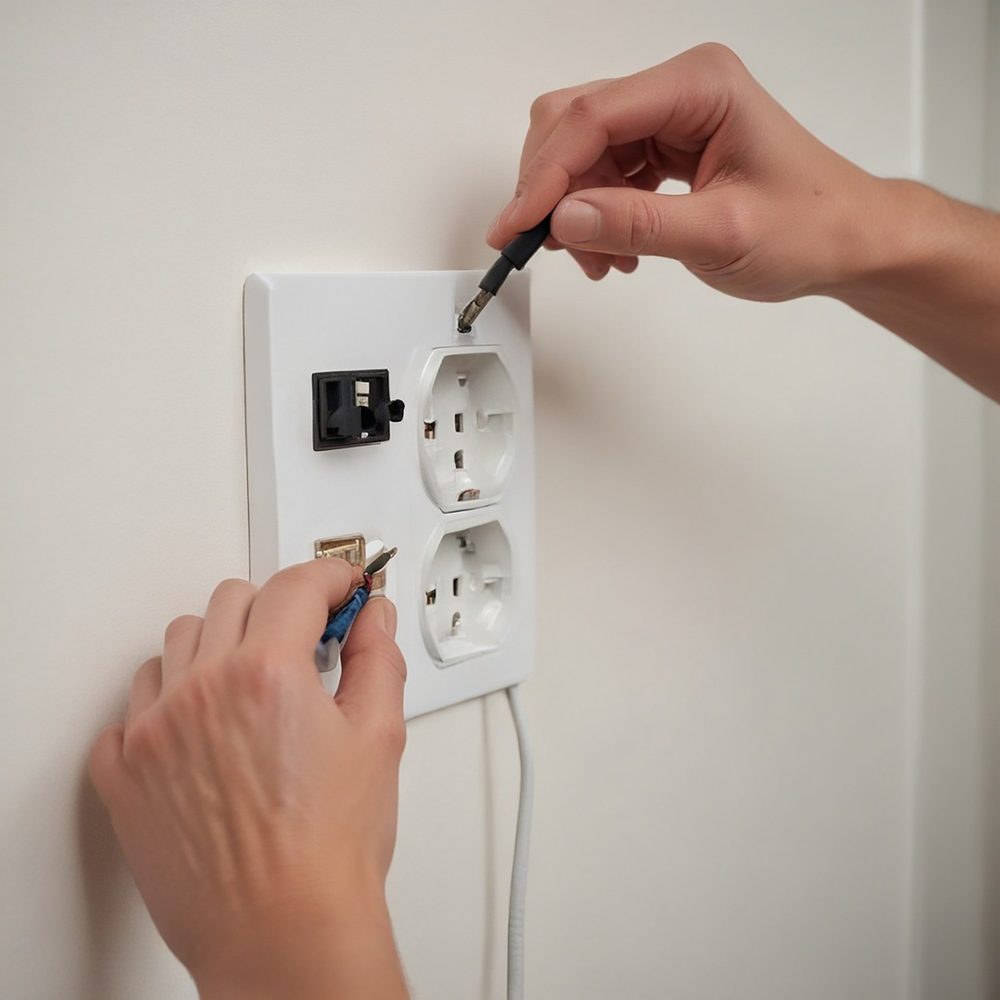
Surge protectors can be used in two common ways. The first is point-of-use protection, like a surge-protecting power strip you plug into a wall outlet. The second is a whole-home surge protective device installed near the service panel. Whole-home units help reduce surges coming in from outside, while point-of-use units add another layer close to sensitive electronics.
For best results, people often combine both types of surge protection, especially in homes with expensive electronics, solar inverters, or frequent power disturbances.
How to Pick the Right Surge Protector
If you are buying a plug-in surge protector, check a few key specs. Joule rating reflects how much energy the unit can absorb over its life. Clamping voltage indicates the level at which it starts diverting excess voltage. Look for indicator lights that show protection status, since MOVs can wear out over time. Also consider the number and spacing of outlets, especially for bulky adapters.
For whole-home protection, look for units rated for your electrical service and installed by a licensed electrician. Many homeowners add point-of-use protection for electronics even after installing a whole-home device.
Do You Need Both?
In most homes, you already have circuit breakers, since they are part of the electrical system. Surge protection is optional, but it is a smart add-on for modern living where routers, smart TVs, work laptops, and gaming systems run daily.
Use a surge protector for sensitive electronics and entertainment setups. Use a dedicated circuit and the right breaker size for high-draw appliances. If breakers trip often, treat it as a signal to reduce load or have an electrician check the circuit.
Trusted Texas Electricians Since 2013 | Houston & Dallas-Fort Worth
When you match the right tool to the right electrical threat, you protect both your home’s wiring and the devices you rely on every day. Ready to protect your home’s wiring and electronics with the right solution, not a guess?
At Aaron’s Electrical Service, we provide residential and commercial electrical services across Houston and the Dallas-Fort Worth area, with licensed electricians and on-time, professional service.
As a Christian, family-owned team serving Texas since 2013, our focus stays on honest work, fair pricing, and respectful service from start to finish. Book an appointment today and ask about same-day options, 24-hour emergency service (Monday through Saturday), and our 100% satisfaction guarantee backed by a lifetime workmanship warranty.