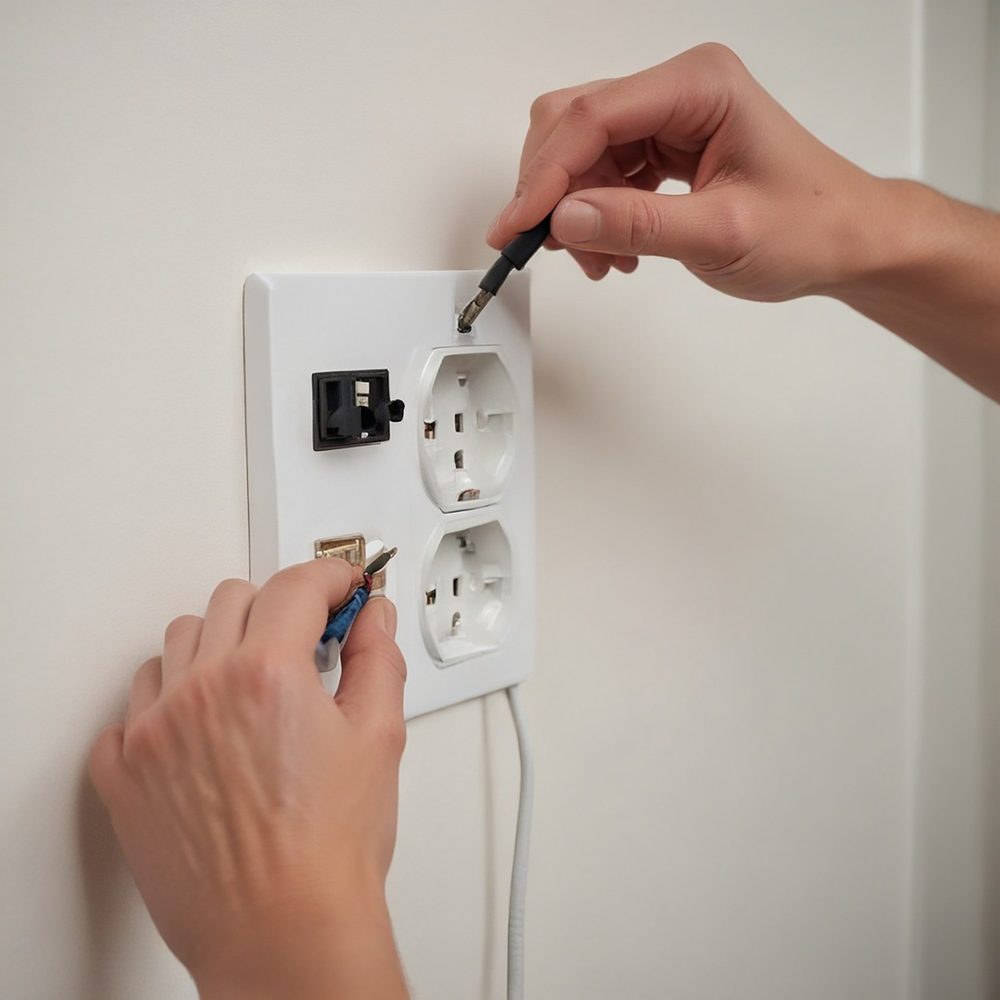


Electrical systems quietly power every part of a facility, from production lines and HVAC to IT rooms and emergency lighting. Because most components sit behind panels and inside enclosures, problems can build up out of sight. Heat, vibration, dust, moisture, and loose connections can turn small defects into equipment damage, outages, or shock and fire hazards.
Here’s a practical electrical preventive maintenance checklist you can adapt for plants, commercial buildings, warehouses, and multi-tenant sites. It is written for operations leaders, facility managers, and safety teams who want repeatable tasks, clear records, and fewer surprises.

What Preventive Maintenance Means in Electrical Work
Preventive maintenance is planned inspection, cleaning, testing, and minor corrective work performed at set intervals. It differs from reactive repair, where action happens only after a trip, outage, or failure. Done well, it reduces unplanned shutdowns, improves equipment life, and supports compliance efforts tied to safety codes and internal audits.
It also improves troubleshooting. When you already have baseline readings for load, temperature, and insulation resistance, it becomes easier to spot drift and address it before it becomes a shutdown event.
Safety First: Pre-Job Controls
Before opening gear or removing covers, build a short pre-task routine. These steps reduce exposure to arc-flash, shock, and stored energy.
- Review single-line diagrams, labels, and the scope of work
- Apply lockout-tagout and verify absence of voltage using approved methods
- Confirm PPE category requirements and test-instrument ratings
- Control access with barriers and signage during panel work
If your site uses permits for energized work, treat that as a rare exception with management sign-off and a clear justification.
Documentation and Labeling Checks
Good records help teams act faster during faults and reduce repeat work. Start your checklist with paperwork and identification, because it supports everything that follows.
Verify that panels, disconnects, MCC buckets, transformers, UPS modules, and mission-critical branch circuits are labeled consistently. Update circuit schedules to match actual loads and recent changes. Keep copies of test reports, thermal scans, breaker settings, and torque logs in a shared location with version control.
Also review maintenance history for repeat trips, nuisance alarms, and parts that fail frequently. Patterns often point to overloaded circuits, poor coordination, or environmental issues like humidity or dust.
Service Entrance and Switchgear Checklist
Service-entrance equipment and main switchgear handle high fault energy, so problems here can be severe. Schedule work during outages when possible, and prioritize cleanliness and mechanical integrity.
Inspect enclosures for corrosion, water entry, and pest intrusion. Look for discoloration, insulation cracking, and signs of overheating around lugs and bus joints. Check door seals, panel fasteners, and bonding straps. Verify that ventilation openings are clear and that space heaters and thermostats in outdoor gear operate as intended.
Confirm breaker and relay settings match the latest coordination study and the actual connected loads. If your site expanded, settings may need review to prevent nuisance trips or slow clearing times.
Panelboards, Distribution Boards, and Branch Circuits
Distribution panels are frequent points of loose terminations and overloaded circuits. During inspections, focus on heat, mechanical tightness, and signs of moisture.
Check panel interiors for dust build-up, debris, and damaged insulation. Verify neutral and ground bars are correctly terminated, and check for double-lugging where not permitted. Look for conductor insulation that appears brittle, melted, or darkened. Confirm knock-outs and cable entries have proper fittings and strain relief.
Measure load balance across phases. If one phase carries consistently higher current, re-distribute loads during planned downtime. Also review breaker handle ties, blank filler plates, and dead-front condition to reduce exposure risks.
Cables, Busduct, and Raceways
Cable problems often show up as heat at terminations, insulation damage, or moisture ingress. A structured walk-down catches issues that crews may miss during reactive repairs.
Inspect accessible conductors for abrasion, unsupported spans, and tight bends. Check cable trays for over-fill, sharp edges, and missing bonding jumpers. For busduct systems, inspect joint covers, hardware tightness, and any signs of arcing dust. Verify fire-stopping at penetrations is intact and properly sealed.
Where vibration is common, such as near large motors or presses, pay extra attention to supports and termination points.
Motors, Drives, and Motor Control Centers
MCCs and motor circuits combine electrical and mechanical stress, so maintenance should include both cleanliness and performance checks.
Inspect MCC buckets, contactors, overloads, and control wiring for heat marks and loose conductors. Clean dust from vents and filters on variable-frequency drives and check for blocked airflow. Review harmonic filters and line reactors for overheating.
For motors, record bearing condition, vibration trends, and insulation-resistance values. Check motor terminal boxes for moisture and loose lugs. If you see repeated drive faults, verify grounding, shielding, and cable types match the drive manufacturer guidance.
Grounding and Bonding System Checks
Grounding and bonding affect fault clearing and touch voltage levels. Over time, mechanical connections loosen and corrosion increases resistance.
Inspect bonding jumpers across conduits, panels, and structural-steel connections. Check that water pipes, building steel, and supplemental electrodes are bonded per your design. Measure ground resistance periodically using approved test methods and compare to prior results to spot drift.
Also verify that isolated-ground systems in IT or sensitive areas are not accidentally tied into noisy grounds through improper terminations.
Test and Measurement Tasks to Add to Your Plan
Visual checks find many problems, but periodic testing adds evidence and trend data. Select tests based on equipment type, site risk, and down-time windows.
Use infrared thermography on energized gear to locate hot spots at lugs, bus joints, and breaker connections. Perform insulation-resistance tests during shutdowns on feeders and motors where appropriate. For breakers, schedule mechanical exercise, contact-resistance testing, and trip testing per manufacturer guidance and your internal policy.
Record readings with dates, ambient conditions, and load levels. A single reading is helpful, but trends are what guide replacement planning.
Back-up Power and Life Safety Systems
Generators, ATS units, UPS systems, and emergency lighting are often ignored until a real outage. Add them to the same discipline as your primary distribution.
For commercial generators, review fuel quality, battery condition, coolant heaters, and transfer operation under load tests. Inspect ATS contacts and control wiring for heat and wear. For UPS systems, check battery health data, room temperature, ventilation, and bypass operation. Verify that emergency lighting circuits and exit signs are tested and logged per your local requirements.
Prevent Electrical Downtime: Top-rated Commercial Electrical Services in Houston
Preventive maintenance works best when inspections, testing, and repairs follow a consistent plan that fits your site, hours, and equipment loads. At Aaron’s Electrical Service, we support Houston-area offices, warehouses, and commercial buildings with licensed, insured technicians and transparent estimates, so you know the scope and cost before work starts.
We handle everything from panels, wiring, and GFCI outlets to lighting retrofits, parking-lot and security lighting, plus commercial generator installation and repair. Need fast help after a trip or outage? A 24-hour emergency team is available. Request a free estimate today.