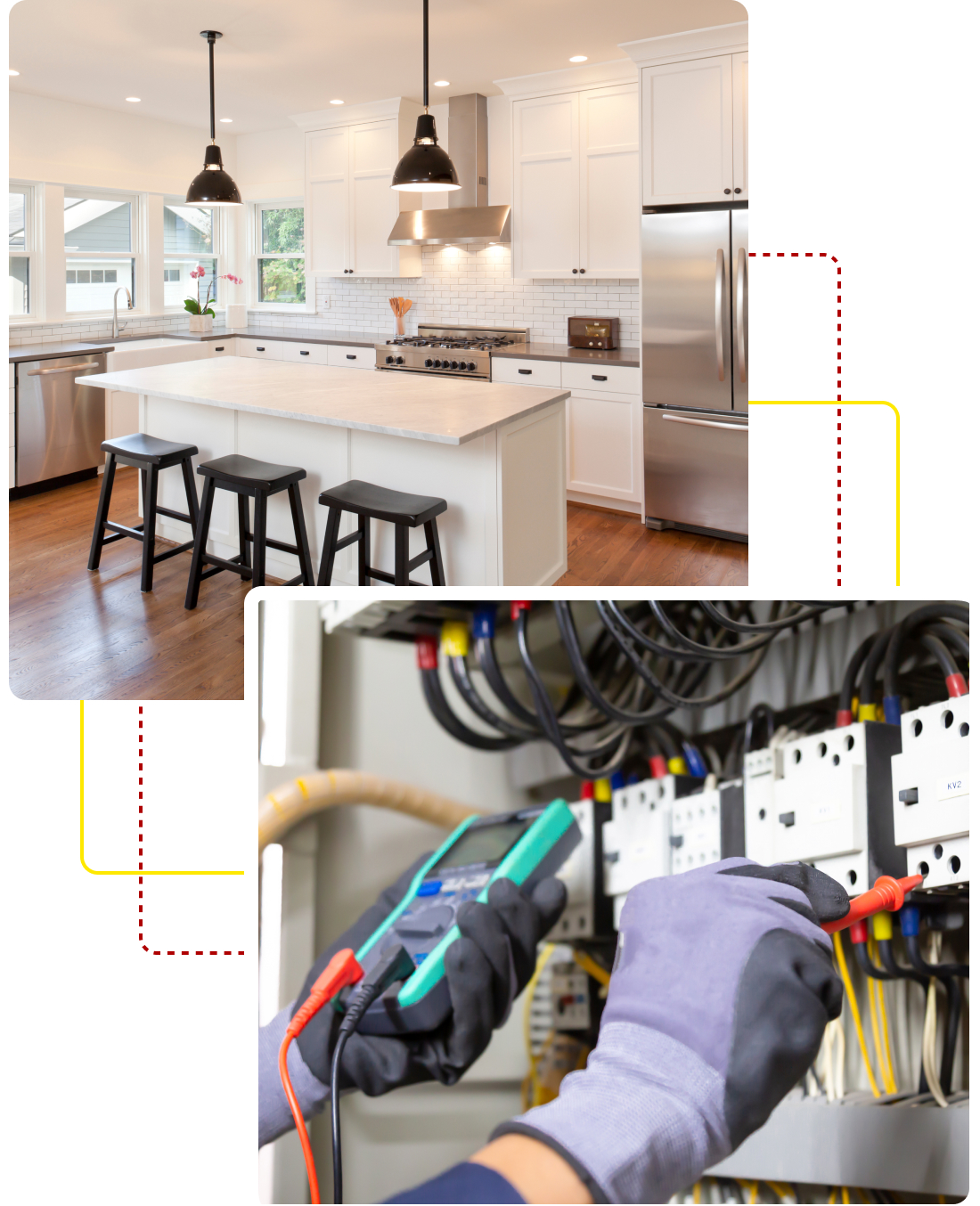


For any job site, electricity can be both power and danger, so your team needs clear habits that guard lives and property. Using an organized electrical safety checklist for construction site work allows you to control hazards, reduce accidents, and avoid costly downtime. If you are managing temporary setups or working with residential electricians in Houston, TX for electrical repairs, treating safety as part of daily workflow protects progress, protects people, and keeps projects moving with confidence while fostering a culture of responsibility on every level.
Start With a Site Power Assessment
Before work begins, you should understand how power will flow through the site. Look at incoming power sources, planned connections, and any temporary setups that will change during the project. When you walk the site and review the plan early, you can spot exposed wiring, poor placement of power equipment, and areas that may collect moisture.
This first step allows your crew to work more efficiently from the start. You should also review how weather, heavy machinery, and ongoing construction stages may affect power routes. Check for trip hazards, weak cable support, and areas that may need extra protection. A careful assessment builds safer routines and supports steady progress on every phase of the job.
Inspect Tools, Extension Cords, and Equipment Daily
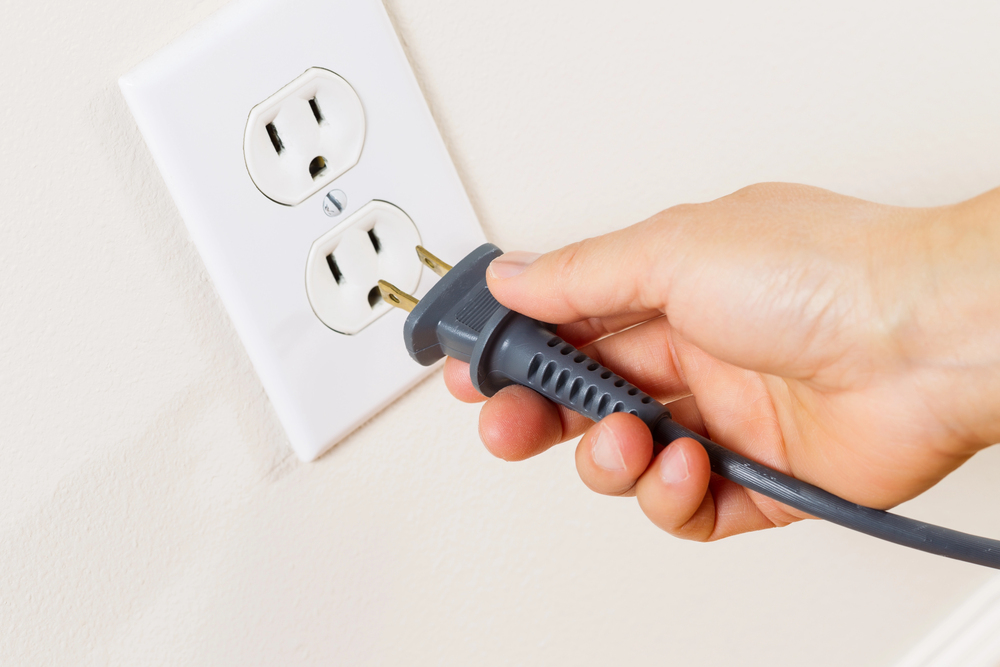
Damaged cords, cracked insulation, loose plugs, and worn tools can create shock risks and fires. You should test tools, keep cords off wet ground, and remove damaged items right away. Never let quick deadlines push you to use equipment that is not in safe shape. A few minutes of inspection can save hours of lost work and protect your crew from injury. Regular checks also help you catch small problems before they turn into major hazards.
Label equipment that is unsafe so no one accidentally uses it. Store tools in clean, dry locations and keep replacement cords and parts available so repairs do not stall work. Encourage your crew to report issues immediately, and reinforce the importance of following proper tool safety procedures consistently. Good habits today lead to safer job sites tomorrow.
Keep Panels, Breakers, and Working Areas Protected
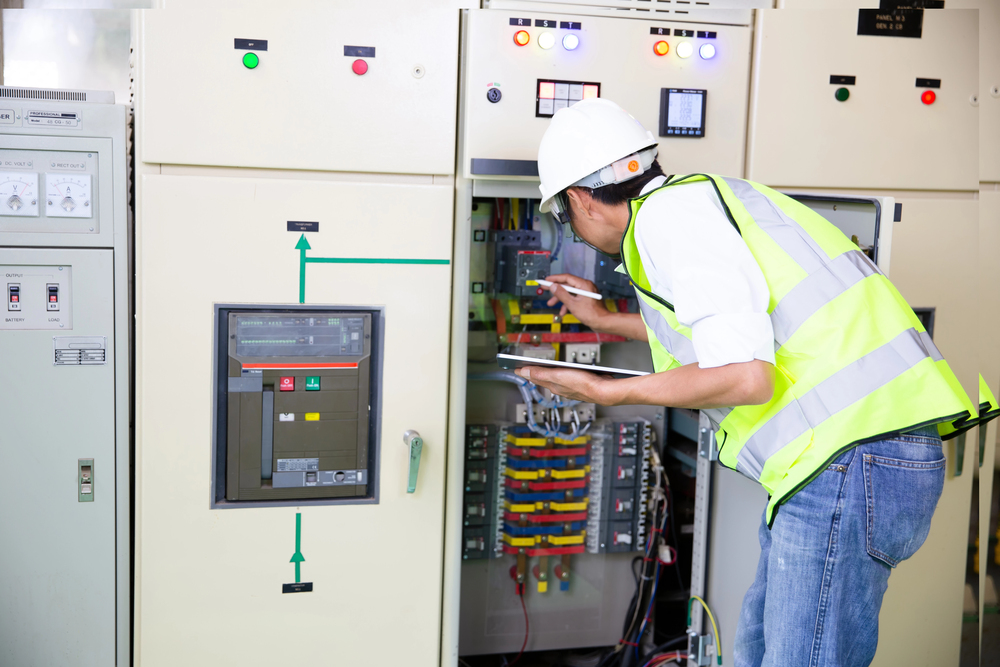
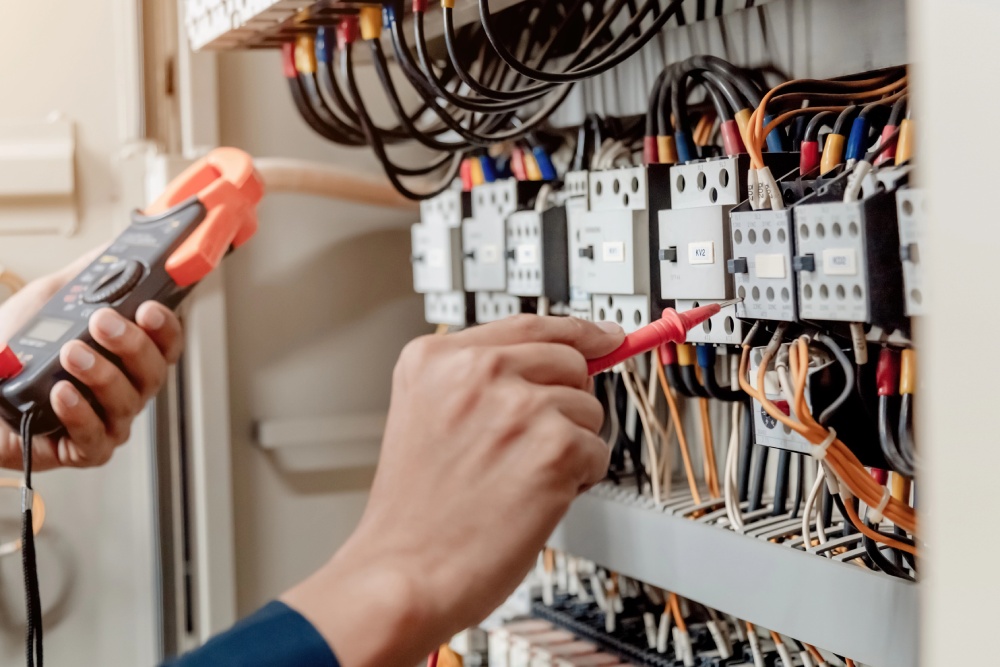
Electrical panels and breaker boxes need clear access at all times. They should never be blocked by materials or debris. Covers must stay in place and labels must be readable so your team knows exactly what each breaker controls. Good housekeeping around live power creates safer movement for everyone on site. In addition, you should routinely inspect panels for signs of wear, rust, or moisture damage, as these conditions can increase the risk of electrical faults.
Make sure all temporary barriers or equipment near panels are removed daily, and train your crew to maintain clear pathways at all times. Proper lighting and organized surroundings around electrical panels not only prevent accidents but also make troubleshooting faster and more efficient. Keeping these areas orderly reinforces a culture of safety on your site and keeps emergency access available at all times.
Use Proper Grounding and GFCI Protection
Construction sites often involve metal, moisture, dirt, and a lot of moving activity, so grounding and GFCI use matters a great deal. Ground Fault Circuit Interrupters help reduce shock hazards in high-risk conditions. Every temporary outlet, portable tool, and outdoor power area should have correct grounding and protective devices suited for the environment. You should also inspect grounding connections regularly to confirm they remain intact despite heavy equipment movement and site changes.
Extension cords and power strips must be rated for outdoor or wet conditions, and any damaged insulation or exposed wires should be replaced immediately. Training your crew to recognize when a GFCI trips and how to respond is equally important. Proper grounding and protective devices not only prevent injuries but also protect equipment, reduce downtime, and help maintain a smooth workflow across the site.
Manage Temporary Power Systems Carefully
Temporary power is a standard part of most construction projects, but it requires careful setup to prevent hazards. Keep temporary panels secured and make sure all wiring is protected from foot traffic and heavy equipment. Generators should be placed in well-ventilated, safe areas to reduce the risk of fire or carbon monoxide exposure. Exposure to rain, mud, or extreme conditions can create serious dangers, so coverings and dry placement are necessary.
Check all connections for tightness, route cords to avoid tripping hazards, and mark emergency shutoffs clearly. Frequent inspections help identify worn equipment, overheating, or loose connections before they become serious problems. Training your crew on proper handling and safety procedures allows everyone to work confidently. When temporary power is managed correctly, your project remains productive, safe, and efficient throughout every stage.
Train Your Crew and Use Proper PPE
Your team should understand how electricity behaves and what to do around live systems. Clear instruction helps your workers identify danger and make better choices. PPE like insulated gloves, eye protection, and safe footwear reduces injury risk during routine tasks. Regular training sessions, safety briefings, and hands-on demonstrations reinforce proper techniques and build confidence in handling electrical equipment.
Make sure every worker knows how to report hazards, respond to incidents, and operate safety devices correctly. When everyone shares the same safety expectations, the whole site works smoother, incidents are minimized, and your crew can focus on productivity without unnecessary risks. Consistent education creates a safer, more efficient environment for all.
Plan For Emergencies and Keep Records
Even careful teams can face unexpected issues. A clear response plan for shock incidents, equipment failures, or power loss ensures your crew reacts quickly and safely. Keep emergency contacts and first aid accessible, maintain clear communication, and track inspections to spot trends. Following these steps turns your electrical safety checklist into a practical part of daily workflow, promoting safer routines, stronger teamwork, and smoother project completion.
For dependable 24/7 top-rated commercial electrical repairs in Houston, TX, trust Aaron’s Electrical Service. Their licensed electricians handle emergency response, generators, EV charging, breaker boxes, and panel upgrades. With availability Monday through Saturday and a lifetime workmanship warranty, their services keep your project safe, powered, and on schedule.