

When completing a new installation or upgrading an existing electrical system, using an electrical commissioning checklist ensures that everything operates safely and meets code requirements.
Commissioning is more than just turning systems on — it verifies proper operation, prevents future issues, and keeps people safe. Following a checklist provides a systematic approach for both residential and commercial projects.
Understanding the Purpose of Electrical Commissioning
Electrical commissioning is a detailed process used to confirm that all parts of the system are safe, efficient, and compliant with code. It goes beyond powering up the system and verifying basic operation. Commissioning protects people, equipment, and property while lowering the chance of failures or expensive repairs.
Another key purpose of commissioning is to verify system performance under real-world conditions. Even if a system appears functional during installation, testing circuits under load and confirming proper operation prevents surprises once the building is occupied. This step is especially important for commercial properties, healthcare facilities, and high-demand residential systems.
Commissioning also helps identify potential design or installation errors early. By catching issues like improperly sized circuits, incorrect wiring, or missing protective devices before they become permanent, it saves time, money, and stress. Proactive commissioning reduces downtime and avoids costly retrofits.
Proper commissioning documents ensure that the system operates as intended and meets safety standards. This documentation is also useful for inspections, insurance, and future maintenance planning. Ultimately, it gives building owners confidence in the safety and reliability of their electrical systems.
Key Components of the Commissioning Process
The process starts with visual inspections to confirm that wiring is installed correctly and panels are secured properly. Electrical boxes, conduits, and devices should show no visible damage, and labeling must match project specifications. Clearances and layout accuracy are also reviewed at this stage.
Visual checks also involve assessing the overall condition of the electrical infrastructure. Signs of wear, handling damage, or potential hazards are identified early. This preventive step supports long-term safety and dependable performance.
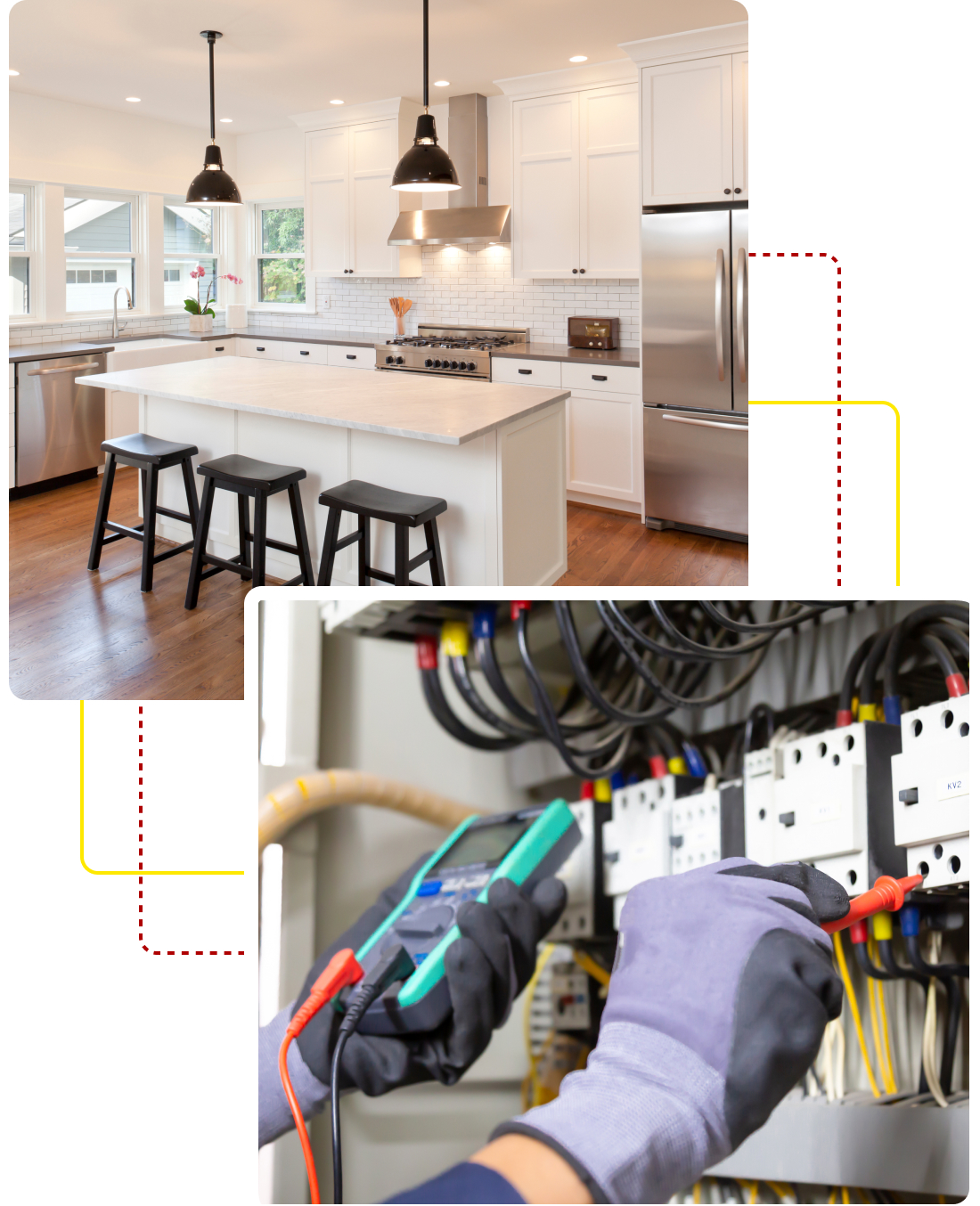
Functional testing is performed to confirm that outlets, switches, breakers, and protective devices operate correctly. GFCI and AFCI outlets, emergency lighting, and backup systems are tested thoroughly. Voltage and continuity checks help verify that connections are safe and stable.
Testing also evaluates how the entire system works together. Confirming that circuits interact correctly and that protective devices respond properly under different conditions gives a clearer picture of system reliability. This stage helps uncover issues that may only appear during specific operating scenarios.
Grounding and bonding are essential for safety and must be verified during commissioning. Proper grounding directs stray electrical current safely into the earth, reducing shock hazards. Bonding between metal components maintains consistent electrical continuity across the system.
Equipment Verification and Load Testing
Load testing confirms that panels and circuits can handle the expected electrical demand. This step is especially important in commercial or high-power environments. Testing under realistic conditions verifies that outlets, devices, and connected equipment perform reliably.
Emergency systems, including fire alarms and exit lighting, are also checked. Backup power systems must function correctly to protect people and property during outages. Functional testing confirms readiness and compliance with safety standards.
Monitoring temperature and performance during testing is also important. Signs such as overheating or voltage drops can indicate hidden issues that may not appear under lighter loads.
Documentation and Compliance
Accurate documentation is a key part of any electrical commissioning checklist. Every inspection, test, and verification step should be recorded clearly. Labels on panels, circuits, and outlets must align with documentation for easy identification and future reference.
Completed checklists demonstrate compliance with code requirements and create a reliable record for maintenance or warranty needs. Clear documentation helps future technicians work safely with the system and reduces confusion during repairs or upgrades.
Documentation also serves as a guide for future expansions or system changes. Knowing layout details, load capacity, and test results helps electricians make informed decisions. Strong recordkeeping improves long-term system performance and reduces risk.
It also strengthens accountability and quality control. Records show who completed each step, when it occurred, and the outcome of every test. This level of detail helps property owners, contractors, and inspectors confirm that the system meets all safety and regulatory expectations.
Advanced Checks During Electrical Commissioning
After completing basic inspections and functional testing, advanced checks add another layer of reliability. This includes evaluating circuit performance under peak demand conditions and confirming that protective devices such as breakers and surge protectors respond correctly during faults.
Power quality testing is also important, especially in commercial or sensitive environments. Voltage fluctuations, harmonics, and imbalances can damage equipment if left unresolved. These tests confirm that systems deliver stable and consistent power.
Equipment calibration is critical for systems that include specialized machinery or sensitive electronics. Proper calibration supports accurate performance and reduces the risk of malfunction. This step is particularly important in healthcare, industrial, and high-tech environments.
Common Oversights to Avoid
Even experienced electricians can miss details without a structured process. Failing to confirm proper grounding and bonding after installation is a common oversight that can create safety risks and code violations.
Skipping load testing can lead to overloaded circuits once the system is in regular use. Neglecting to test emergency systems may leave fire alarms, exit lighting, or backup power unverified.
Documentation mistakes are another concern. Incorrect labeling or incomplete inspection records can create confusion during maintenance. Following a complete electrical commissioning checklist helps confirm that every critical step is completed and verified.
Environmental factors are sometimes overlooked during commissioning. Conditions such as humidity, temperature changes, or moisture exposure can affect performance. Testing under realistic conditions helps prevent hidden problems.
Another frequent issue involves poor coordination between protective devices. Breakers, fuses, and surge protection components must function correctly together to prevent system damage.
Safety Considerations During Commissioning
Safety remains the highest priority throughout commissioning. Circuits should always be de-energized during visual inspections or when handling wiring. Proper personal protective equipment, including insulated gloves and eye protection, helps reduce the risk of injury.
Following local and national electrical codes is essential during every step. These standards are designed to protect both installers and building occupants. Compliance supports long-term safety and legal operation.
Verifying temporary power connections is another critical step. Incorrect temporary setups can accidentally energize circuits and create hazards. Careful verification keeps both workers and property safe during the process.
Maintaining an organized workspace also improves safety. Keeping tools, wiring, and equipment in order reduces trip hazards and limits accidental contact with live components. A clean and structured environment helps the commissioning process move efficiently.
How We Can Help With Electrical Commissioning
At Aaron’s Electrical Service, we recognize the value of a complete electrical commissioning checklist and the role it plays in system performance and safety. Our licensed electricians manage every stage, including inspections, testing, load evaluation, and detailed documentation.
Call us today or contact our team online to schedule service or request a quote. Let us make sure your electrical system is safe, fully operational, and compliant, giving you peace of mind and confidence in your investment.