
Knowing basic electrical terms helps you better understand how to keep your home safe. Many homeowners overlook these terms until a problem arises. By familiarizing yourself with common electrical terms, you can identify potential hazards, communicate effectively with electricians, and make informed decisions about repairs or upgrades. Aaron’s Electrical Service believes every homeowner should have a foundational knowledge of electrical systems to protect both family and property. Here are some of the key terms you may encounter during electrical repairs or inspections.
Circuit
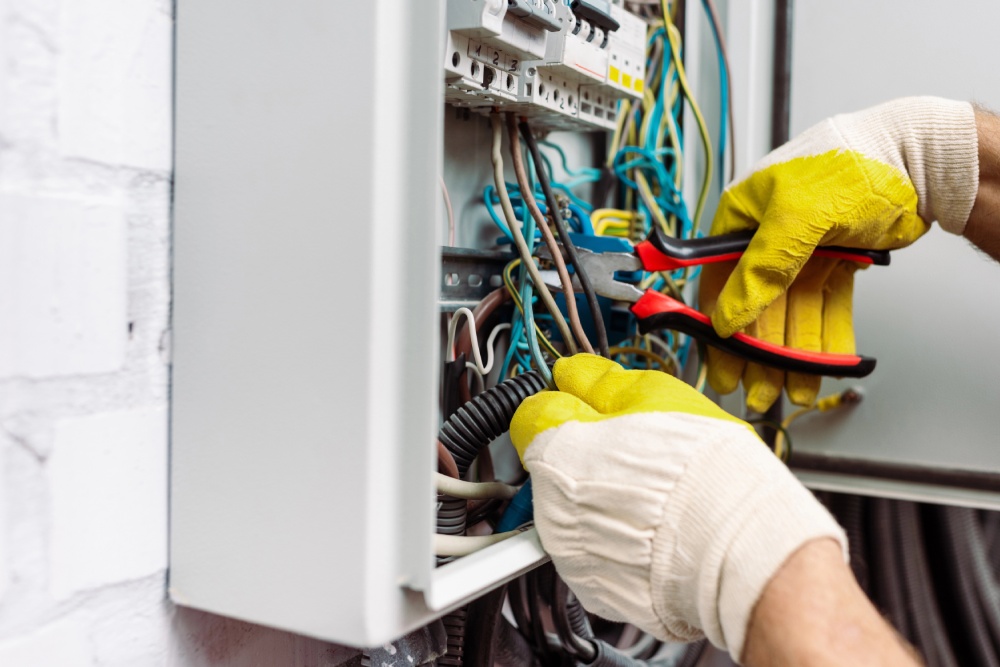
A circuit is the path electricity follows from a power source, through wiring, to outlets or devices, and back again.It forms a loop that allows electricity to flow continuously and power the appliances and systems in your home. Each circuit is designed to handle a specific amount of electrical load, which is why overloading a circuit can be dangerous. If too many devices draw power at once, breakers may trip, or wires can overheat, creating a fire risk.
Understanding circuits helps you see why proper wiring, correct breaker sizing, and regular maintenance are important. It also allows you to identify which areas of your home may need upgrades or adjustments when adding new appliances, ensuring your electrical system operates safely and efficiently. Being aware of how circuits function helps you communicate clearly with electricians and recognize early signs of problems before they become serious hazards.
Breaker
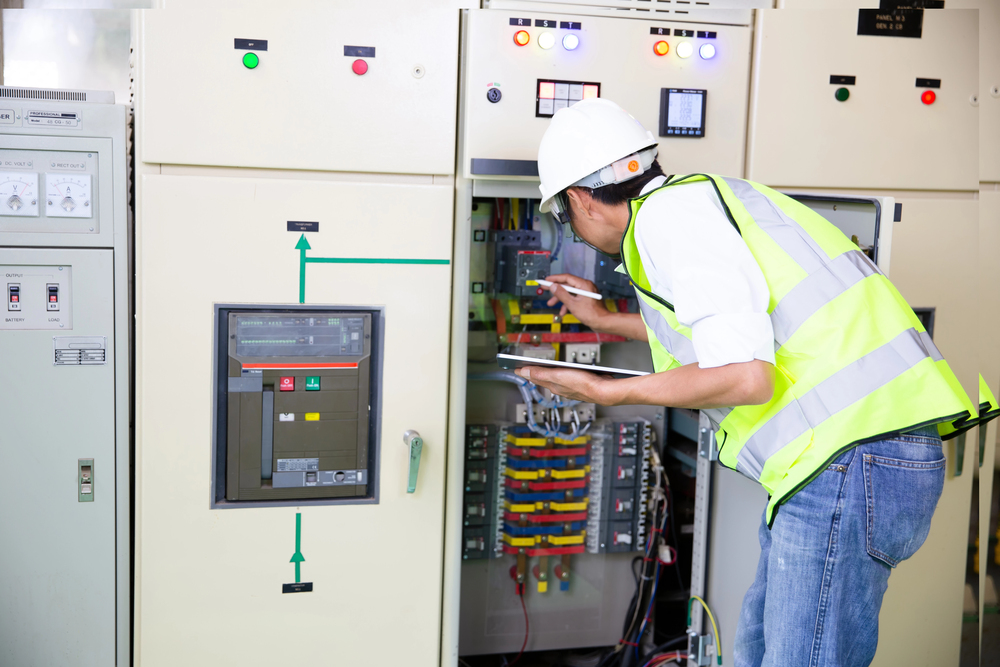
Breakers are safety devices in your electrical panel that interrupt power when a circuit is overloaded, preventing overheating and potential fires. They act like a switch that automatically shuts off electricity to a specific part of your home when too much current flows through the circuit. Knowing how breakers work helps you troubleshoot minor issues safely, such as resetting a tripped breaker after unplugging excess devices.
Repeated tripping is often a warning sign of underlying problems, like faulty wiring, overloaded circuits, or failing appliances, which require inspection by a licensed electrician. Understanding breakers also allows you to identify which circuits control specific areas of your home, making it easier to manage your electrical system efficiently. Regularly checking your breakers and knowing their limits can prevent unexpected outages and protect both your home and devices.
Grounding
Grounding directs excess electricity safely into the earth, reducing the risk of shocks, fires, or system damage. It acts as a protective pathway, ensuring that electricity from surges, lightning strikes, or faulty equipment does not harm you, your family, or your devices. Proper grounding is important for both older homes with outdated wiring and newer homes with modern electrical systems, as it reduces the risk of electrical accidents and equipment failure.
Understanding how grounding works can help you identify potential hazards, such as missing or damaged ground connections, that might otherwise go unnoticed. It also allows you to communicate clearly with electricians when scheduling inspections or upgrades, ensuring your system remains safe and reliable. Grounding plays a vital role in stabilizing voltage levels and supporting the overall efficiency of your home’s electrical circuits, making it a key concept for every homeowner to know.
Amperage
Amperage measures the flow of electric current in a circuit and indicates how much electricity is being used at a given time. Each circuit in your home is designed to handle a specific amperage, and exceeding this limit can cause wires to overheat, breakers to trip, or even start a fire. High-demand appliances, like air conditioners, ovens, or EV chargers, require circuits with higher amperage to operate safely.
Understanding amperage helps you match your devices to the correct circuit and avoid overloading your electrical system. It also allows you to recognize warning signs, such as flickering lights or frequent breaker trips, which can indicate problems with your wiring or electrical load. By being aware of amperage and its impact, you can make safer decisions when adding new appliances or upgrading circuits, helping to protect both your home and your family from potential hazards.
Voltage
Voltage is the force that pushes electricity through your wiring, essentially determining how much power reaches your appliances and devices. Most household systems operate at standard voltages, usually around 120 volts for general circuits and 240 volts for high-demand appliances. However, fluctuations in voltage can cause lights to flicker, appliances to underperform, or even lead to equipment damage over time.
Recognizing voltage issues early, such as sudden drops or spikes, can prevent costly repairs and keep your home safe from electrical hazards. Understanding voltage also helps you communicate effectively with electricians when diagnosing problems or planning upgrades. Regularly monitoring your electrical system and knowing the voltage requirements of your devices confirms that your home runs smoothly, reduces wear on appliances, and lowers the risk of unexpected electrical failures.
Outlet Types
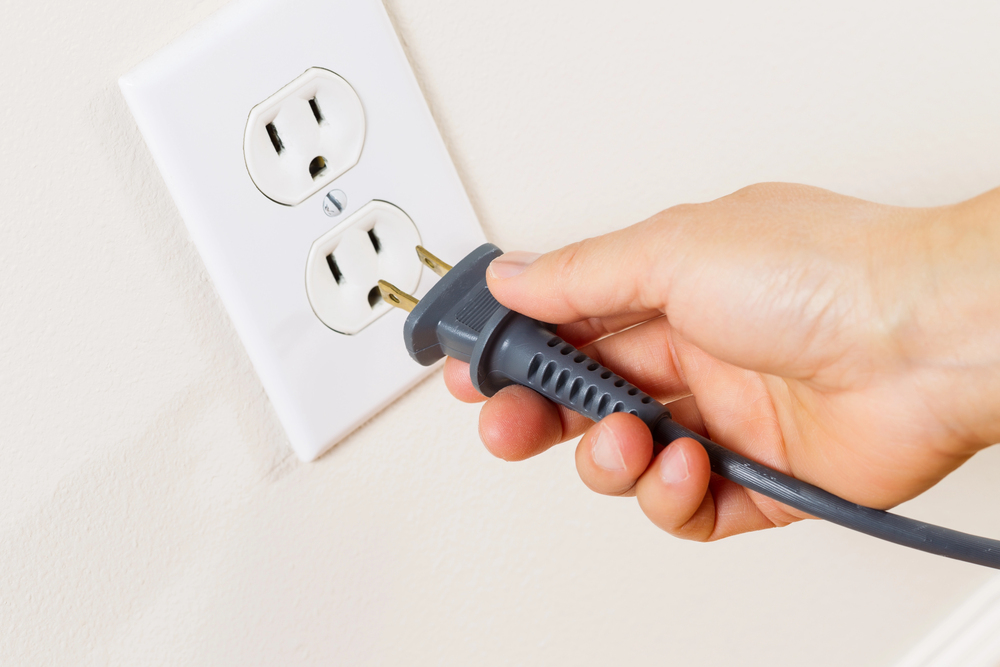
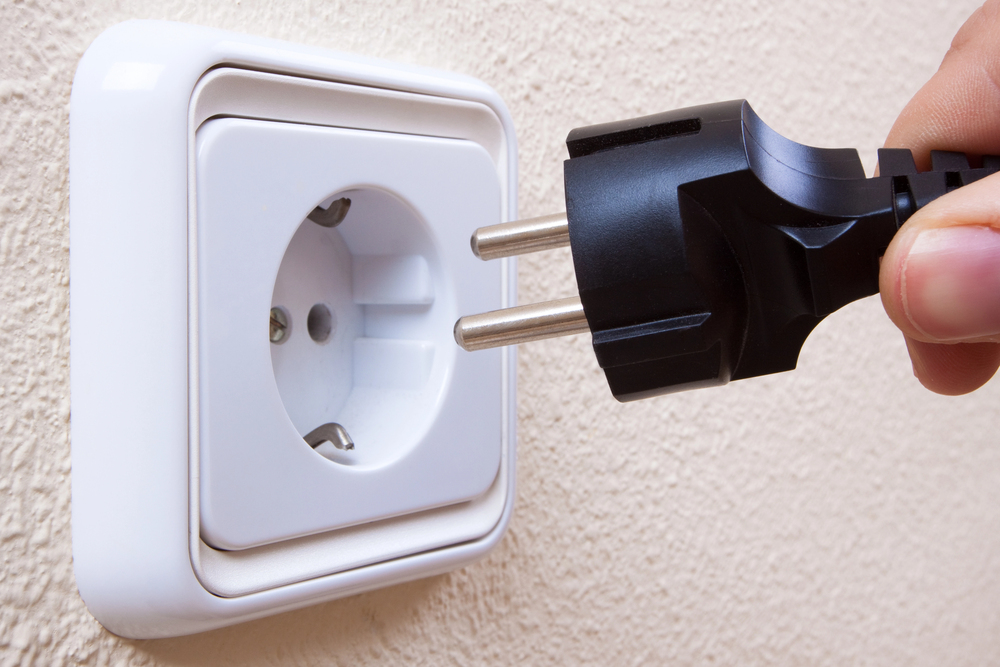
Outlets come in several types, including standard, GFCI, and AFCI, each designed to handle specific safety and functionality needs. Standard outlets are used throughout most of your home for general power needs, while GFCI outlets protect against electric shocks in areas where water is present, such as kitchens, bathrooms, and outdoor spaces.
AFCI outlets prevent fires caused by arcing faults in your wiring, which can occur when wires are damaged or improperly installed. Understanding these differences allows you to make informed decisions about upgrades or new installations. Knowing the different outlet types helps you communicate more clearly with electricians and make choices that enhance both convenience and safety in your home.
Wiring Types
Home wiring may include materials like copper or aluminum, each with its own advantages and requirements. Proper wiring installation confirms circuits operate safely and efficiently. Understanding wiring types helps you communicate clearly with electricians and recognize potential issues before they become serious hazards. Understanding these electrical terms helps you keep your home safer and address issues confidently.
Homeowners and businesses can keep their electrical systems safe and reliable with professional repair, installation, and emergency services. Licensed electricians are available Monday through Saturday and back their work with a lifetime workmanship warranty. By choosing Aaron’s Electrical Service, you can trust that your wiring, panels, and appliances are managed safely and efficiently.