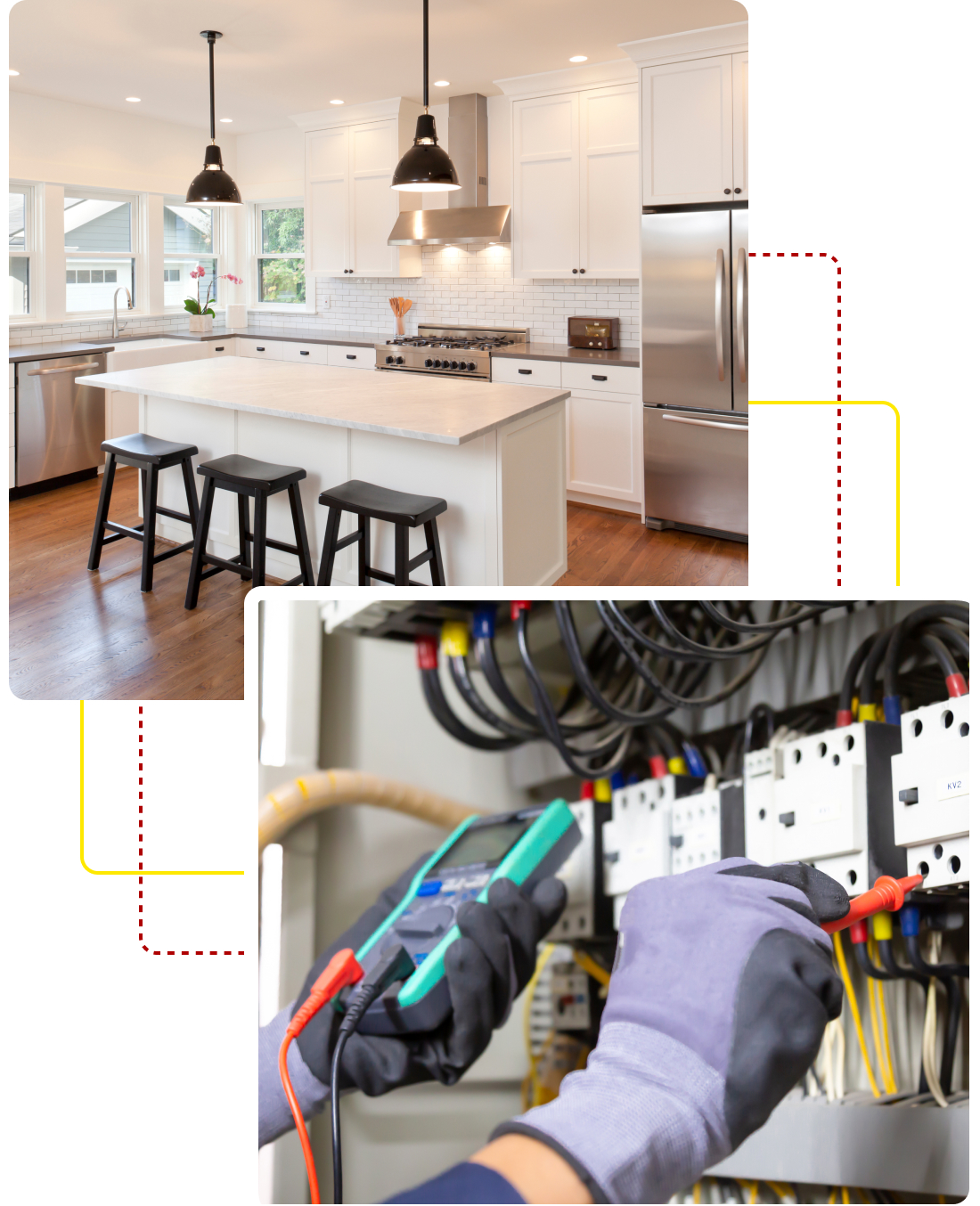


House wiring is a step-by-step build of circuits that carry power from the electrical service panel to lights, outlets, appliances, and dedicated equipment. The work is typically split into rough-in, inspection, and trim-out so wiring can be installed while walls are open, then finished safely after drywall and paint.
Because electricity can injure people and damage property, most wiring work belongs in the hands of licensed electricians who follow local code requirements, use listed materials, and test circuits before a home is occupied.
The Main Parts of a Home Electrical System
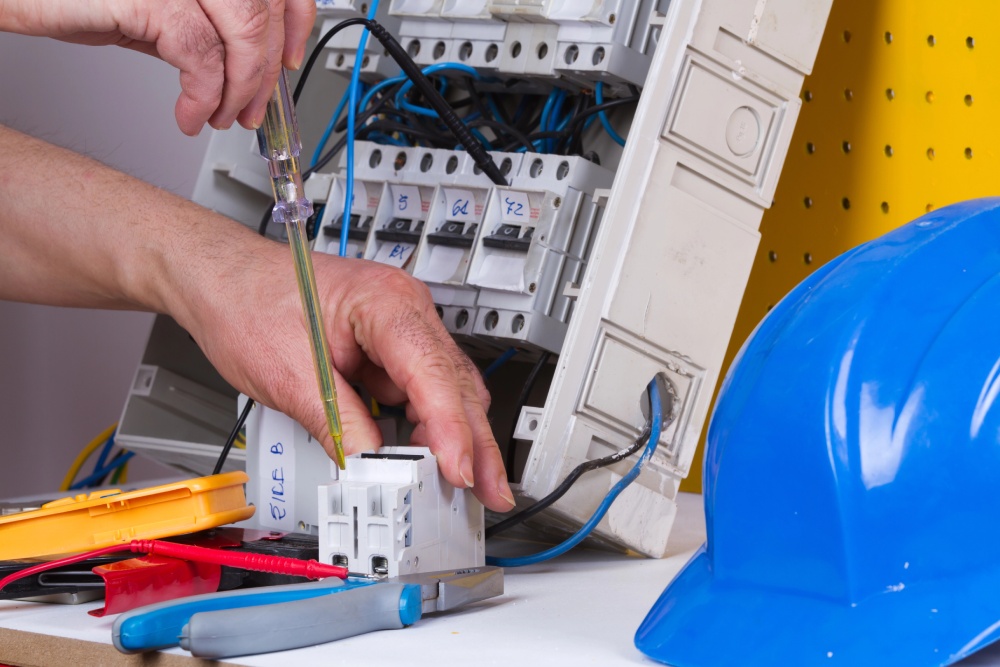
A typical residential system includes the service equipment, the distribution panel with breakers, branch circuits that feed rooms and appliances, and the devices at the ends of those circuits such as receptacles, switches, and luminaires. Rough-in installs the hidden infrastructure, then trim-out installs devices, cover plates, breakers, and fixtures.
In many homes, extra systems are also part of the plan, like standby generator connections, EV charger installation, smoke alarms, and outdoor power.
Planning Loads and Circuits
Wiring starts with planning, not pulling cable. The electrician maps out what loads the home will have and how to divide them across branch circuits. Kitchens, laundry areas, bathrooms, garages, HVAC equipment, and large appliances usually require dedicated circuits or protected circuits based on code and load demands.
This planning also includes where outlets and switches will be placed so the cable routes are efficient and serviceable. Good planning reduces future overload problems and makes troubleshooting simpler because circuits are organized by area and purpose.
Setting Boxes and Routing Paths
After framing, the electrician installs electrical boxes for outlets, switches, junction points, and ceiling fixtures. Boxes are mounted at planned heights and aligned to match the future finished wall surface.
Next comes the routing plan through studs, joists, and top plates. Holes are bored for cable runs, and the electrician decides where to run home runs back to the panel and where to branch to nearby devices. During this stage, placement matters because the safest wire path is one that avoids sharp edges, stays protected from future nails and screws, and stays accessible for inspection.
Running Cable and Securing It Correctly
Most modern homes use nonmetallic sheathed cable for many interior branch circuits, although methods vary by region and application. Once cables are pulled between boxes and back to the panel, they must be supported and protected.
A common NM cable fastening rule is securing and supporting the cable at intervals not exceeding 4 1/2 feet and within 12 inches of every cable entry into boxes, cabinets, or fittings. This reduces sagging and strain at terminations, which helps prevent loose connections later.
Protection from physical damage is also part of this stage. A widely used requirement is keeping cable at least 1 1/4 inches back from the edge of framing members, and using steel plates when the cable cannot maintain that setback. This is one of the most practical ways to reduce screw and nail punctures after drywall goes on.
Making Up Boxes and Managing Box Fill
After cable is run, the electrician prepares each box. This includes stripping cable jackets, leaving adequate conductor length, bonding grounds, and making splices when needed. Work has to be clean and organized so devices can be installed later without damaging insulation or forcing tight bends.
Box fill is a big deal in residential wiring because it affects heat and physical stress inside the box. A common conductor volume allowance used for box fill calculations is 2.0 cubic inches per conductor for 14 AWG and 2.25 cubic inches per conductor for 12 AWG. If a box is too small for the number of conductors, devices, and grounds, it should be upsized during rough-in while the wall is open.
Wiring the Service Panel
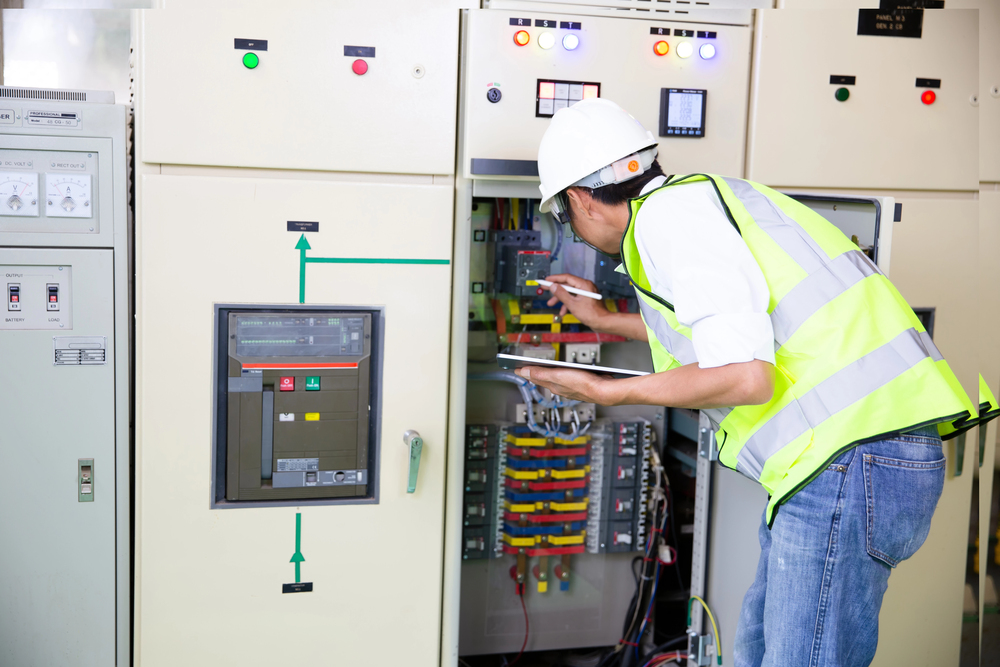
The service panel is where branch circuits begin and where breakers provide overcurrent protection. During rough-in, the panel is mounted and cables are brought into it, then circuits are typically terminated later when the job is ready for trim-out and testing.
Inside the panel, the electrician lands hot conductors on breakers, neutrals on the neutral bar, and equipment grounds on the grounding bar based on the panel configuration. The panel directory is labeled so each breaker can be identified by area or load, which matters for safety and future troubleshooting.
Adding GFCI and AFCI Protection
Modern residential wiring includes protection devices designed to reduce shock risk and fire risk. GFCI protection is required for receptacles in locations like bathrooms, garages, outdoors, kitchens, basements, and laundry areas under NEC 210.8.
AFCI protection is also widely required in many dwelling unit circuits. In practice, the electrician chooses the right breaker types, device types, or combinations so the circuit meets requirements without nuisance tripping.
Rough-in Inspection
Rough-in inspection happens before insulation and drywall so the inspector can see cable routes, box placement, support methods, and protection at framing points.
Common issues that can slow a project include missing support staples, poor protection near stud faces, overcrowded boxes, and damaged cable jackets. Fixing those items at rough-in is far easier than after the home is finished.
Trim-out After Drywall
Trim-out happens after drywall, paint, and many finish surfaces are complete. This stage includes installing receptacles, switches, cover plates, luminaires, and breakers, then making final appliance connections.
Even simple-looking trim work matters. Loose terminations can cause arcing, heat, and future failures. That is why electricians use correct stripping, proper termination methods, and torque practices suited to the device and conductor type.
Testing and Final Checks
After trim-out, electricians test circuits for correct polarity, grounding continuity, GFCI and AFCI function, and proper operation of lighting and controls. This is also when any labeling gaps at the panel get corrected.
Testing is also where issues get caught before the homeowner moves in, such as swapped neutrals, loose grounds, or a miswired multiway switch.
Safe Home Wiring Solutions in Houston & DFW
House wiring is not the place for guesswork. If you are planning a remodel, adding new circuits, or dealing with warning signs like flickering lights or breakers that keep tripping, Aaron’s Electrical Service can help with safe, code-aligned solutions.
We serve homeowners across Houston and the Dallas Fort Worth area with licensed electricians who handle inspections, troubleshooting, rewiring, panel work, and standby generator installs. We answer calls 24/7, and after-hours service is available for urgent electrical problems. Every job is backed by a lifetime workmanship warranty and a 100% satisfaction guarantee. Request an appointment today and ask about our current specials.