

The electrical panel serves as the central nervous system of any building, distributing power from the utility grid to individual circuits. Understanding the different types of electrical panels is fundamental for property owners looking to maintain safety and efficiency.
As technology advances and our homes and businesses demand more power for EV chargers, heavy machinery, and smart systems, the limitations of older hardware become a significant hurdle. At Aaron’s Electrical Service, we focus on identifying which specific configuration matches your load requirements while adhering to the highest safety standards in the industry.
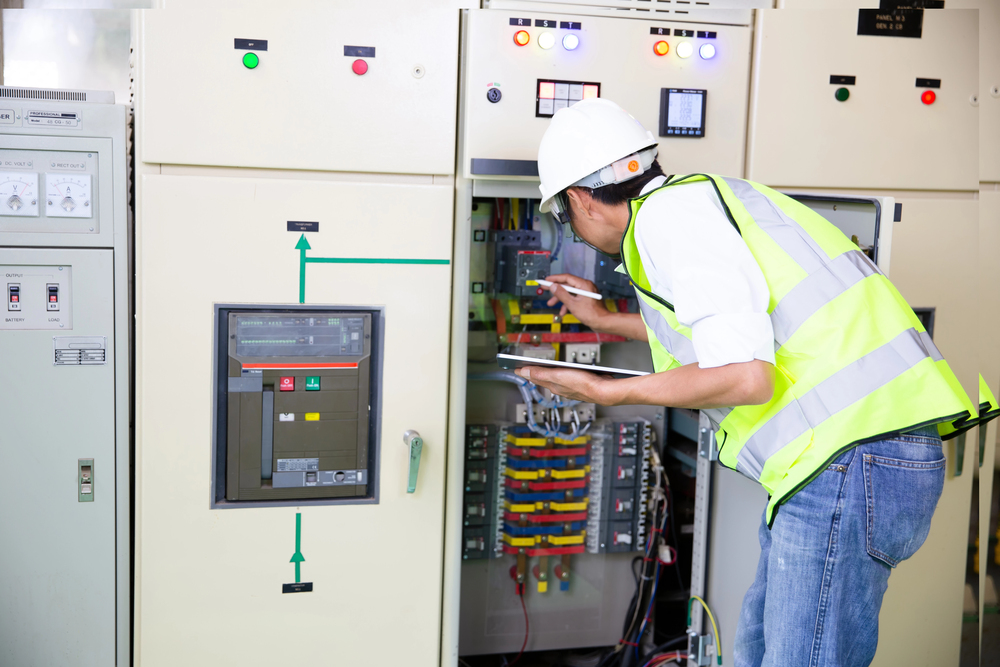
What Is an Electrical Panel?
The electrical panel is responsible for distributing electricity from the utility company to the individual circuits in your home or business. It houses the circuit breakers, which are designed to protect your circuits from electrical overloads. If a circuit gets overloaded or shorted, the breaker will trip, cutting off the power to prevent damage or fires.
The size and capacity of the electrical panel depend on the electrical demands of the property. Choosing the right type and size ensures that your electrical system is both safe and efficient.
Types of Electrical Panels
There are several types of electrical panels available, each designed to meet different electrical needs. Understanding these electrical panel types can help you determine which one best fits your home or business.
Main Breaker Panels
The main breaker or service panel is one of the most common electrical panels types used in residential properties. This unit acts as the gateway, allowing you to shut off power instantly in the event of an emergency. It also contains individual breakers for each circuit, allowing you to turn off power to specific areas of the house.
Main breaker panels come in various sizes, typically ranging from 100 to 400 amps, depending on the electrical demands of your home. A 100-amp panel is usually sufficient for smaller homes, while larger homes may require a 200-amp panel or even higher. The main breaker panel is ideal for homes with moderate electrical usage.
At Aaron’s Electrical Service, our residential electricians in Houston, TX, specialize in the installation, maintenance, and upgrade of main breaker panels to meet the needs of any home.
Subpanels
Sub-panels are indispensable for managing high-occupancy loads. They allow for granular control over different sectors of a business or a large residence.
They are typically installed in areas of the house or business where there is a high electrical demand, such as a basement or garage. A subpanel can reduce the load on the main breaker panel by distributing power to specific circuits.
For instance, if you have a large garage with several tools and appliances, you might install a subpanel to supply power directly to that area without overloading the main panel. Subpanels are also commonly used in homes with large additions or guest houses. Subpanels can range from 60 to 100 amps, depending on the requirements of the area they serve.
Load Centers
Load centers are commonly used in residential properties and are often mistaken for main breaker panels. However, they are designed for smaller electrical systems. These panels are typically used in homes with lower electrical demands or in specific areas of the home where power usage is limited.
A load center can distribute power to various circuits and is often installed in homes that don’t require a large main breaker panel. The electrical panel types in load centers are smaller in size and capacity compared to main breaker panels, making them suitable for homes with fewer electrical devices and appliances.
Commercial Electrical Panels
In commercial properties, electrical needs are often far more complex than in residential homes. Commercial electrical panels are designed to handle higher voltage and larger loads. These panels are specifically built for businesses with more extensive electrical systems, such as office buildings, retail stores, or industrial facilities.
Commercial electrical panels are typically rated for 200 amps or more, and can go up to 1,000 amps or higher, depending on the needs of the building. These panels also have additional safety features to accommodate the more demanding electrical systems of commercial establishments.
Commercial panels often feature multiple circuit breakers that allow for the safe distribution of power to various parts of the building. These systems need to be regularly inspected and maintained to avoid electrical failures that can cause downtime or safety hazards.
Because a failure in a business setting can result in thousands of dollars in lost productivity, we offer 24/7 top-rated commercial electrical repairs in Houston, TX. Our expertise in commercial switchgear and distribution boards allows us to troubleshoot complex faults that generalists might overlook.
Smart Panels
Smart electrical panels are an emerging technology that provides enhanced control and monitoring of your electrical system. These panels connect to your home’s Wi-Fi network and allow you to monitor and manage energy consumption remotely through a smartphone app.
Smart panels can track real-time energy usage, alert you to any issues with your electrical system, and even help you optimize your power consumption. These panels are ideal for homeowners who want to improve energy efficiency and reduce electricity costs.
For businesses, smart panels offer the benefit of tracking energy usage across multiple systems, which can lead to significant savings and improved sustainability. While smart panels are relatively new, they are becoming increasingly popular due to their convenience and efficiency.
Fused Panels
Fused panels use fuses instead of circuit breakers to protect electrical circuits. Each fuse is designed to blow when the circuit becomes overloaded, cutting off power to prevent further damage. Fused panels were more common in older homes, but they are now largely obsolete due to the superior protection offered by circuit breakers.
While fused panels are less expensive than modern breaker panels, they are no longer recommended due to safety concerns. Homes with fused panels should consider upgrading to a more modern system to improve safety and reliability.
Protecting Your Electrical System with the Right Panel
Selecting the correct electrical panel is the most important decision you can make for the safety and functionality of your electrical system. If you’re unsure which electrical panel type is best for your property, it’s always a good idea to consult with a professional electrician.
We help homeowners and businesses choose the right electrical panels for their specific needs. Our electricians can guide you through the decision-making process and ensure that your electrical panel is properly sized and installed.
Call us now to schedule a consultation and ensure your electrical system is safe and efficient.