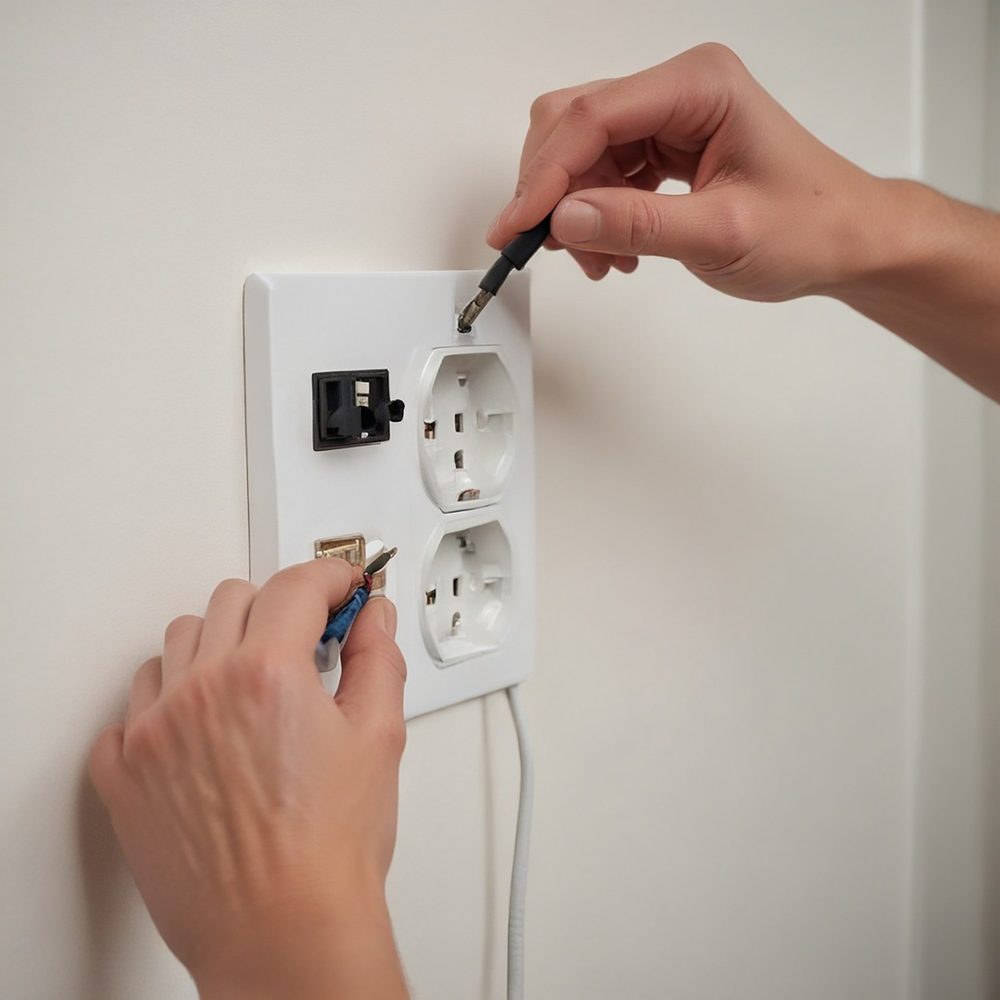


When planning an electrical project, one key decision is choosing the right type of electrical box. The choice between metal vs. plastic electrical boxes affects safety, durability, and installation. Understanding the differences, advantages, and best uses of each can help you make informed decisions for your home or business.
Electrical boxes serve a vital purpose beyond simple enclosures. They protect wiring, reduce the risk of accidental contact, and keep outlets, switches, and fixtures securely mounted. Choosing the wrong type can create safety concerns, lead to failed inspections, or result in costly repairs later.
The Role of Electrical Boxes in Safety and Functionality
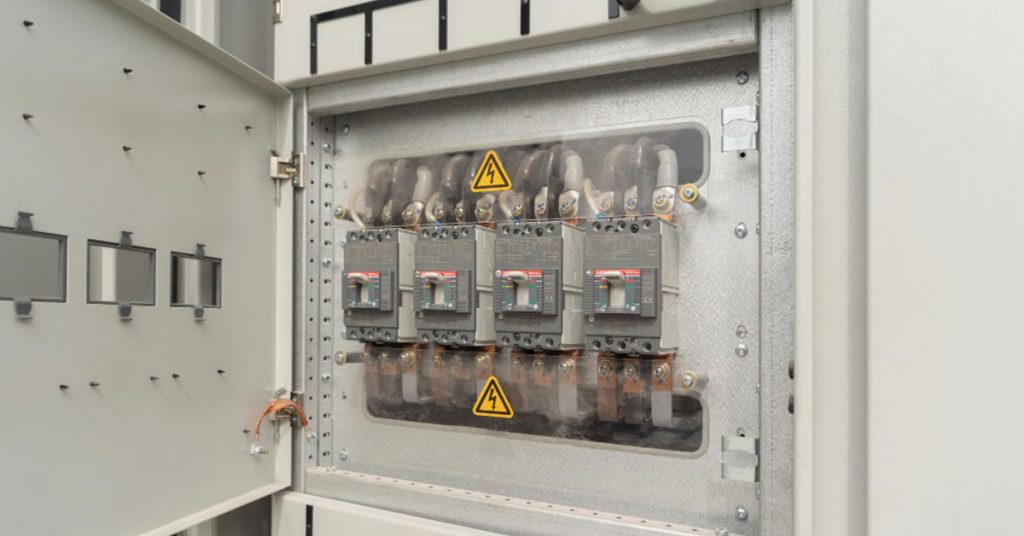
Electrical boxes create a controlled space for wire connections and terminations. They prevent exposed wiring from contacting combustible materials and reduce the likelihood of electrical fires. Boxes also act as a stable base for mounting outlets, switches, and fixtures, helping maintain proper alignment and long-term stability.
Beyond structural support, electrical boxes organize wiring and minimize strain on connections. This improves performance and extends the lifespan of the system, especially in areas with frequent use. The material selected plays a major role in how well the box performs over time, which is why understanding metal vs. plastic electrical boxes is essential.
Advantages of Metal Electrical Boxes
Metal electrical boxes are usually made from steel and are valued for their strength and durability. Fire resistance is one of their key benefits, as metal does not burn and adds a layer of protection if overheating occurs.
Grounding is another advantage. Metal boxes can function as part of the grounding system, which is often required in commercial settings or installations with strict code requirements. They also maintain their shape over time, making it easier to secure devices tightly and keep installations stable.
These boxes are commonly used in commercial, industrial, or high-traffic environments where durability matters most. They are also well-suited for retrofit projects involving metal conduit systems because they can be firmly attached and properly bonded.
Advantages of Plastic Electrical Boxes
Plastic electrical boxes are lightweight, corrosion-resistant, and easier to install. They do not rust, making them a practical option in areas where moisture may be present. Their lighter weight also makes handling and positioning more convenient during installation.
Non-conductive properties eliminate the need to ground the box itself, which simplifies the installation process and reduces the chance of wiring errors. Plastic boxes are widely used in residential construction, especially where non-metallic sheathed cables are already in place.
They are available in many sizes and shapes and are generally more cost-effective than metal alternatives. Flexibility in cutting and modification makes them useful for renovation work or projects that require quick adjustments. However, they may not withstand heavy impact as well as metal options in demanding environments.
Key Factors to Consider for Your Project
Choosing between materials depends on several factors, including wiring type, installation location, and local electrical codes. Metal boxes are often required when using metallic conduit or in areas with strict fire-resistance standards. Plastic boxes are commonly used in residential drywall installations where wiring is already protected.
Additional considerations include the type of device, exposure to moisture, and the need to support heavier fixtures. Box size, depth, and wire capacity should always be evaluated to maintain safe operation and proper fit.
Installation Considerations for Metal and Plastic Boxes
Installing either type requires attention to detail and compliance with electrical codes. Metal boxes must be grounded correctly using a grounding screw or pigtail connected to the system ground. This step reduces the risk of electrical faults and improves overall safety.
These boxes are typically mounted to studs or integrated with conduit systems, creating a rigid and stable structure for heavier devices. Proper fastening is important to maintain long-term reliability.
Plastic boxes do not require grounding because they are non-conductive. They are often secured with built-in brackets or screws attached to wall studs. Even though they are easier to modify, proper spacing and wire capacity must still be maintained. Overcrowding can lead to overheating, damaged insulation, or loose connections.
Common Mistakes to Avoid
Mistakes during selection or installation can create safety risks. Choosing a box that is too small for the number of wires or devices is a common issue. Overfilled boxes increase heat buildup and raise the chance of electrical failure.
Ignoring grounding requirements with metal boxes is another frequent error that compromises safety. Failing to follow local electrical codes can result in inspection failures or hazardous conditions.
Using the wrong material for the environment also leads to problems. Plastic boxes may not perform well in high-impact areas, while metal boxes may not be necessary in systems designed for non-metallic wiring. Understanding metal vs. plastic electrical boxes helps prevent these issues and supports a safer installation.
Environmental and Usage Considerations
The installation environment plays a major role in material selection. Metal boxes are better suited for commercial or industrial settings where durability and impact resistance are priorities. They also perform well in areas exposed to higher temperatures or physical stress.
Plastic boxes are ideal for most residential applications, especially within interior walls where wiring is already protected. Their resistance to moisture makes them a practical choice for bathrooms, kitchens, and similar spaces where corrosion could be a concern. Matching the material to the environment supports long-term performance and safety.
How We Can Help With Electrical Box Selection and Installation
We understand the differences between metal vs. plastic electrical boxes and the importance of selecting the right option for your specific project.
Our licensed electricians bring hands-on experience and practical insight to every job, helping you choose the most suitable solution based on your home or business, local code requirements, and the devices you plan to install. We also take into account long-term performance, safety standards, and installation conditions to guide you toward a reliable and efficient outcome.
If you need help selecting or installing electrical boxes, we’re here to provide professional, safe, and reliable service. Call us today or contact us online to schedule service or request a quote.