

Quick Summary
Effective aluminum wiring remediation addresses every connection, not just a few outlets. The Consumer Product Safety Commission recognizes complete copper replacement, the COPALUM crimp method, and the AlumiConn connector as permanent fixes, while twist-on connectors and CO/ALR devices alone are temporary or incomplete. Installer training matters, and the work should include appliances, junction boxes, and panel connections. Asking which connector a contractor uses helps you avoid shortcuts. Permits, inspection, and written records protect your safety and support conversations with insurers and future buyers.
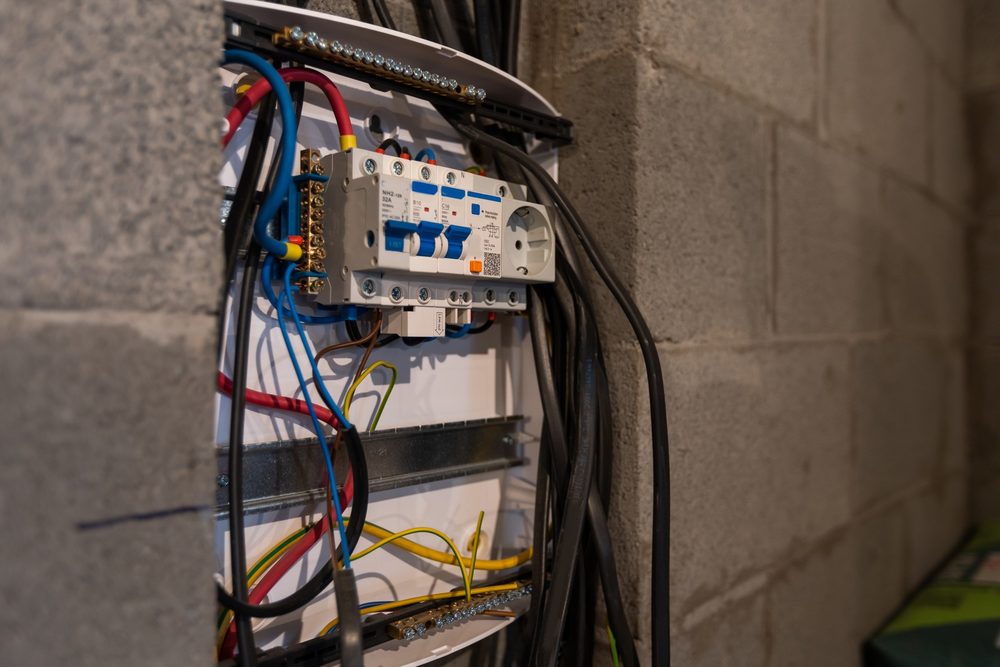
Finding aluminum wiring in your home can feel a bit alarming at first, but aluminum wiring remediation tends to become a lot more manageable once you understand what the work is actually trying to fix, and homeowners who plan it carefully usually avoid the expensive mistakes and come away with paperwork that keeps paying off for years.
Our electricians at Aaron’s Electrical Service walk families through this process regularly, so the seven points below come straight from what we see when we find aluminum wiring in homes across Houston and Dallas-Fort Worth, and you can use them to size up any proposal you receive or to ask sharper questions of whichever contractor you are talking to.
1. The Hazard Lives at the Connections
Remediation is mostly about connections, since that is where aluminum tends to fail. The U.S. Consumer Product Safety Commission explains in Publication 516 that slow deterioration at aluminum connections raises resistance, which leads to overheating and damage that builds up over time, so the wire running through your walls is rarely the first priority, while the spots where it meets receptacles, switches, fixtures, and splices almost always are.
2. Every Connection Counts
When there is aluminum wiring in a house, a repair is really only as good as its weakest connection, which is why the CPSC recommends repairing every connection or splice involving aluminum wire, from outlets, dimmers, and switches to fixtures, appliances, and junction boxes. Fixing some and leaving others in place can give you a false sense of security, and that is arguably worse than knowing the job is unfinished.
3. Only Certain Methods Qualify as Permanent
Only three permanent methods carry CPSC approval: replacing the wiring entirely with copper, the COPALUM crimp method, and the AlumiConn connector. Twist-on connectors and CO/ALR devices on their own come up short, since a number of twist-on connectors overheated badly in CPSC-sponsored lab testing, and CO/ALR devices are not made for every part of a wiring system, so the agency treats them as an incomplete repair.
4. Installer Training Makes a Difference
The tools and the hands using them matter more than people tend to expect. COPALUM connectors go on with a dedicated power tool that applies a tremendous amount of force to create a permanent joint, and the CPSC notes that only electricians trained by the manufacturer are authorized to install them, while AlumiConn connectors also call for careful, professional workmanship. It is fair to ask any contractor which method they plan to use, how their electricians were trained, and how many similar jobs they have done, and for the record, our team works under Texas State Electrical Contractor License #31569.
5. Temporary Fixes Have a Place, but Not a Long One
In an emergency, an electrician may reach for a twist-on connector or a CO/ALR device just to get a failed termination working again, and the CPSC accepts that only as a stopgap, recommending a complete repair as soon as it is practical. InterNACHI makes a similar point, describing pigtailing as useful for temporary or isolated repairs, so a quick fix is best treated as the first step of a plan rather than the end of it.
6. The Panel and Appliances Are Part of the Picture
Remediation reaches well past the outlets on your walls. The CPSC points out that appliances wired directly to aluminum branch circuits, including dishwashers, cooling equipment, heaters, and air conditioners, need to be repaired along with outlets, switches, junction boxes, and panel boxes.
That is why, during an assessment, we take a close look at the breaker panel and its connections, so nothing slips through. Heavier gauge aluminum used for service entrance cables, dryers, and ranges sits outside these small-circuit recommendations and is handled according to its own requirements.
7. Documentation and Inspection Protect You
Changes to installed wiring should be done and inspected according to local regulations, and beyond simply staying compliant, the paperwork tends to pay for itself. A written scope of work, an invoice that names the connector method, and inspection records give your insurance agent and any future buyer something concrete to look at, so it is worth keeping those documents with your home records where you can find them years from now.
Choosing the Right Partner
Remediation is a big decision, and the contractor you pick shapes how it turns out. Aaron’s Electrical Service is a Christian family-owned company that puts customers first, and we back our work with a lifetime workmanship warranty, a 100% satisfaction guarantee, and around-the-clock availability Monday through Saturday.
With services stretching from aluminum wiring inspections and repairs to breaker boxes, panel and service changes, generators, and EV chargers, related needs can often be handled in the same visit when it makes sense.
Taking the next step is simple: Contact Aaron’s Electrical Service to schedule an aluminum wiring inspection, and our team will talk through your options with you.
FAQs
Does remediation require opening walls?
Usually not. Pigtailing happens at the connection points, including boxes and devices, so walls typically stay closed, while a complete copper replacement may need more access depending on how the home was built.
Do I need a permit for aluminum wiring remediation?
Changes to installed wiring should be done and inspected according to local regulations, and your electrician can explain which permits apply where you live and take care of that process for you.
How do I verify that a contractor is qualified?
Ask for their Texas electrical contractor license number, the repair method they recommend, and details about installer training, since a reputable contractor will gladly share all of that along with a written estimate.