

Quick Summary
Replacing knob-and-tube wiring safely starts with confirming whether the old system is still active, then scheduling a licensed electrical inspection to trace circuits and identify risks. A proper replacement plan covers access points, breaker box needs, panel changes, grounding, modern wiring, and protective devices such as GFCI and AFCI protection. The process should end with careful testing, final review, and clear documentation so your home has safer electrical support for today’s power demands.
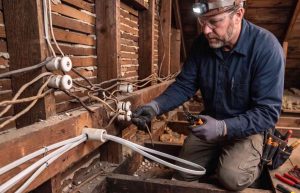
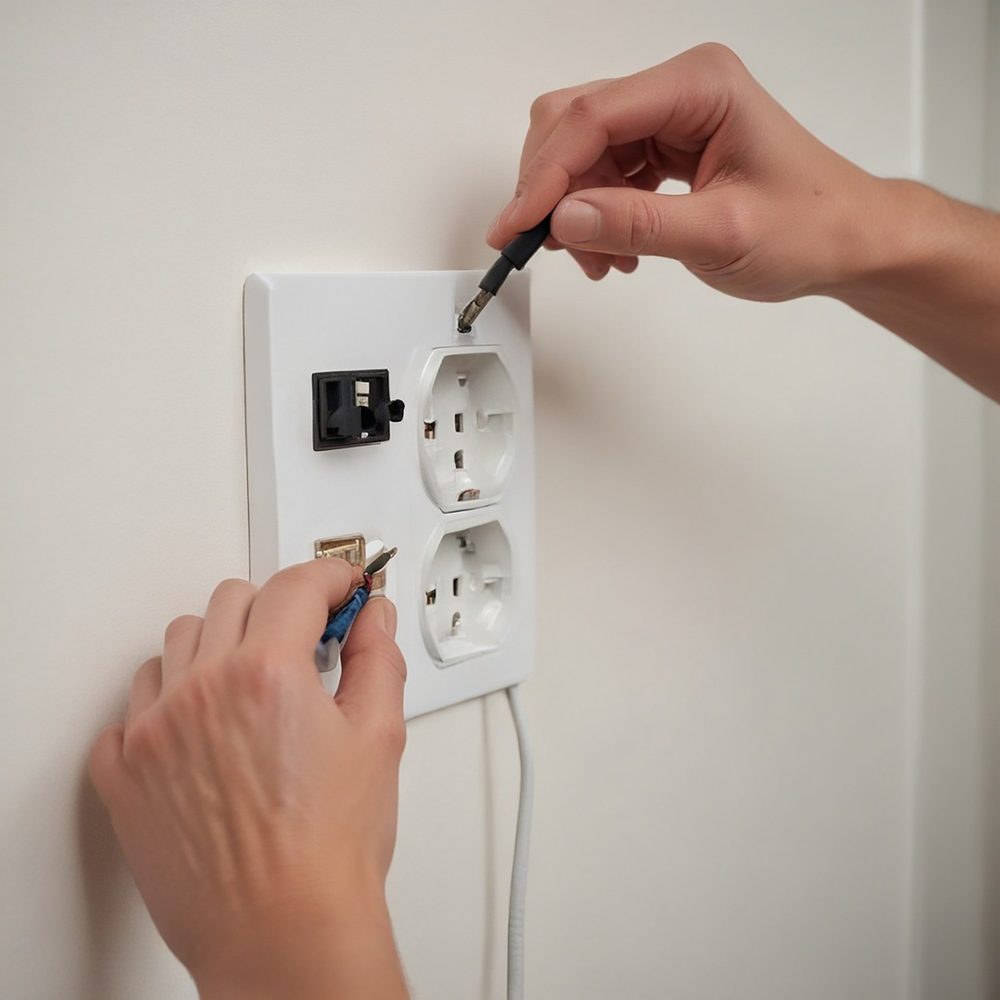
Older homes often have character that newer houses cannot copy, yet some of that charm can hide wiring that no longer fits today’s electrical demands. If you are searching for how to replace knob and tube wiring, it helps to understand that this work involves more than swapping old wires for new ones. It can involve inspections, circuit tracing, breaker boxes, service changes, panel changes, grounding, and safe planning around walls, ceilings, and active power. That is where our licensed electrical services can support a safer, more organized path from old wiring to modern protection.
Let’s walk through the how-to process with safety, code awareness, and professional care.
Confirming Whether Knob-and-Tube Wiring is Still Active
Before any replacement plan can move forward, the first step is confirming whether the old wiring is still carrying power. Some older homes have visible ceramic knobs or tubes in attics, basements, or crawl spaces, but those sections may be abandoned while other hidden portions remain active. A licensed electrician can trace circuits from the panel, test outlets and fixtures, and identify which areas still rely on the outdated system. This review may include older switches, ceiling lights, wall outlets, junction points, and wiring paths that disappear behind plaster or wood framing. Active knob-and-tube wiring should never be judged by appearance alone. A section that looks disconnected may still tie into a live circuit nearby. Proper testing helps separate inactive remnants from wiring that still serves the home. Once that status is clear, the replacement plan can focus on the exact circuits that need modern wiring and avoids unsafe guesswork.
Scheduling a Professional Electrical Inspection
A careful electrical inspection gives the replacement project a safe starting point before any outdated circuit is removed from service. The electrician checks the panel, outlet behavior, switch boxes, exposed wiring, attic routes, basement runs, and any visible ceramic supports. This review also looks for brittle insulation, loose splices, open junctions, oversized fuses, overheated connections, and mixed old and modern wiring. Each finding helps show whether the home needs targeted rewiring or a larger upgrade plan.
Professional testing is also important when old wiring disappears behind plaster, wood framing, or ceiling spaces. Knob-and-tube systems often travel through areas that are hard to see during a basic walkthrough. A proper inspection can identify which fixtures still depend on those circuits and which outlets lack grounding. From there, the electrician can explain access needs, panel capacity, code concerns, and safety priorities before replacement begins. Clear inspection results help the project move forward with fewer surprises.
Mapping the Replacement Scope Before Work Begins
After the inspection, the next step is defining how much of the home still depends on outdated wiring. Some projects involve a few lighting circuits, while others reach bedrooms, kitchens, hallways, basements, or the service panel. The electrician reviews each active circuit and decides where new cable should run, which outlets need grounding, and which switch boxes or fixture boxes need replacement. This planning stage also considers wall access, ceiling access, attic routes, crawl spaces, and areas with finished surfaces.
Older homes often need a phased plan that protects safety while limiting unnecessary disruption. A clear scope can separate immediate hazards from upgrades that support future electrical demand. It may also show whether the breaker box, service capacity, or panel layout should change before modern wiring is added. With those details set, the project moves from general concern to a practical wiring plan.
Preparing the Home for Safe Wiring Replacement
Once the scope is approved, the home needs a safe work setup before replacement begins. A licensed electrician identifies which circuits must be shut down, which rooms need access, and how power can be managed during the project. Older walls, plaster ceilings, attic spaces, and crawl spaces may require careful entry so new wiring can be routed without careless damage. Furniture, flooring, and nearby surfaces should be protected while electricians create access points for cable paths, outlets, switches, and fixture boxes.
Careful preparation also includes reviewing the breaker box, labeling affected circuits, and planning the order of work. This helps reduce confusion while old wiring is removed from active service and modern conductors are installed. Families may need to plan around temporary power interruptions in certain rooms. It also supports clear communication between electricians and homeowners during each stage. With the work area organized, the replacement can move forward with safer access, cleaner routing, and better control over each circuit.
Removing Unsafe Wiring from Active Service
At this stage, the goal is to take outdated knob-and-tube circuits out of service without creating new hazards. A licensed electrician isolates the affected circuits, verifies where power is present, and separates older conductors from the modern electrical system. This step may involve fixture boxes, switch legs, outlet runs, attic wiring, basement routes, and hidden junction points. Care is needed when brittle insulation, loose connections, or previous patchwork appears during removal.
Old wiring should never be abandoned in a way that leaves live conductors behind walls or ceilings. The electrician confirms that disconnected sections no longer receive power and that any remaining cable path is clearly understood. New wiring can then replace the active function of the outdated system through safer routing and approved connections. This stage helps prevent mixed wiring, hidden energized lines, and future confusion during inspections, repairs, or remodeling work.
Installing Modern Wiring, Grounding, and Protection
A safer replacement plan moves forward when new conductors are routed to serve the same areas once handled by outdated circuits. Electricians install approved cable, proper junction boxes, grounded outlets, updated switches, and fixture boxes that match the home’s layout. This work also gives each room a better path for modern power use, from everyday lighting to appliances, electronics, and charging needs. Grounding adds another layer of protection by giving fault current a controlled path back to the panel.
Updated protection is added according to the circuit type and room use. GFCI protection is often used in areas with moisture exposure, such as kitchens, bathrooms, garages, and outdoor locations. AFCI protection helps detect dangerous arcing conditions that may occur in damaged or loose wiring. The electrician also checks breaker sizing, panel connections, wire gauge, and circuit separation. Once modern wiring replaces the old system, the home gains safer, cleaner, and more dependable electrical support for daily use and future upgrades.
Testing The New System and Completing the Final Review
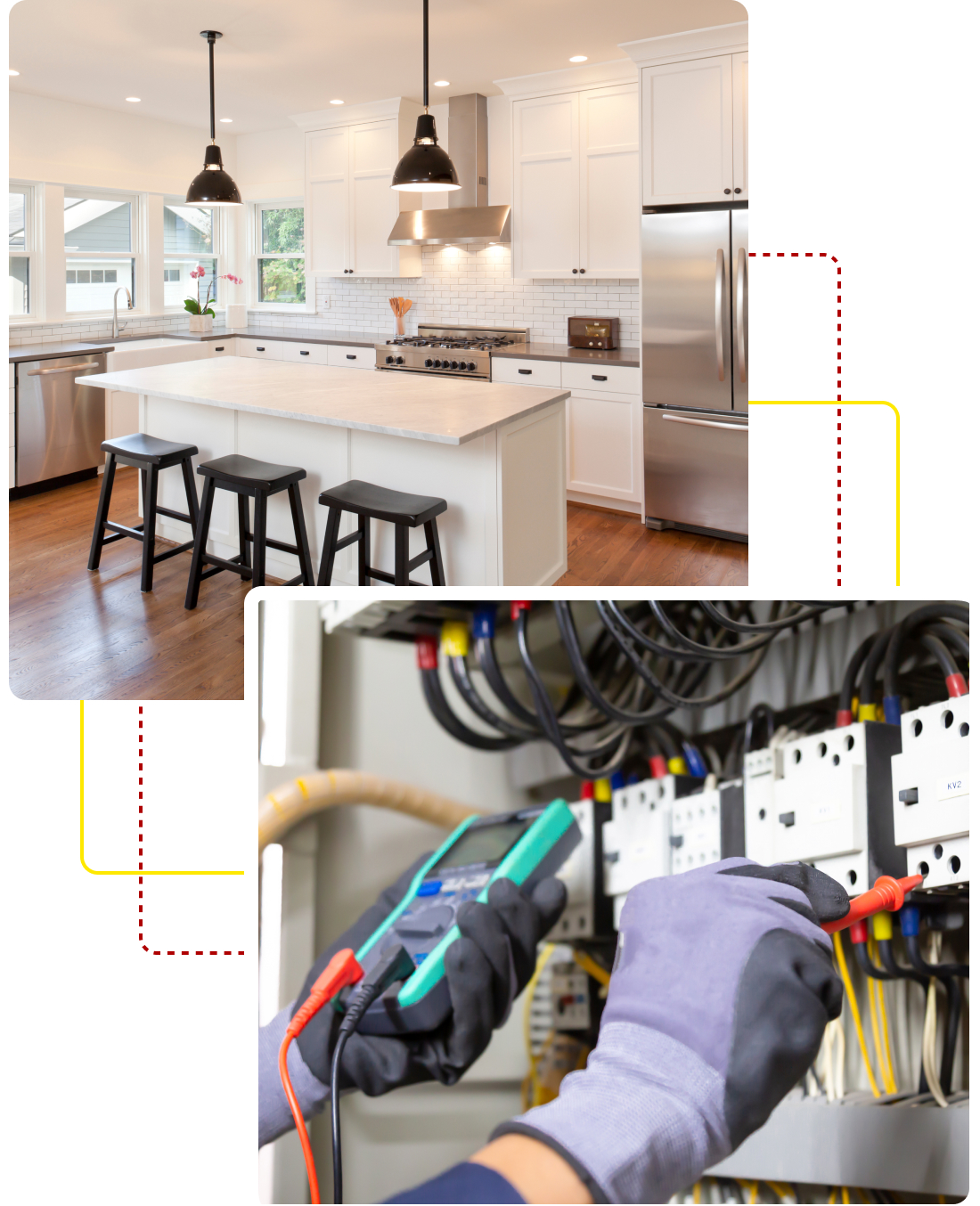
After installation, every new circuit needs careful testing before the project can be considered complete. The electrician checks outlet voltage, grounding, switch operation, fixture performance, breaker response, and panel labeling. GFCI and AFCI devices are tested so each protective feature works as intended for the space it serves. Any newly installed wiring should also be reviewed for secure connections, proper box placement, correct breaker sizing, and clean routing through approved areas.
Final review gives the homeowner a clear picture of what changed inside the electrical system. The electrician can explain which knob and tube circuits were removed from active service, which areas received new wiring, and which panel or breaker updates were completed. This step may also include documentation for permits, inspections, or future home records. A careful closeout helps you understand the upgrade and gives future electricians a safer starting point for service, repairs, additions, or remodeling work.
Make Your Older Home Safer with Modern Wiring
Replacing outdated wiring is a safety upgrade that should bring clarity, stronger protection, and better support for the way your home uses power today. A safe project starts with knowing what is still active, then moves through inspection, planning, careful removal from service, modern grounded wiring, updated protection, and final testing. Each step helps reduce hidden electrical risks while giving your home a cleaner system for daily use.
At Aaron’s Electrical Service, we can help you approach this type of work with licensed electricians, careful communication, and customer-first service. Our residential electrical services include wiring updates, breaker boxes, service changes, panel changes, inspections, outlet upgrades, GFCI protection, and emergency electrical response when urgent problems appear. We also stand behind our work with a satisfaction guarantee and lifetime workmanship warranty, so you can feel confident about the quality of the service you receive.
Ready to make your older home safer? Contact us today to schedule electrical service and discuss your knob-and-tube wiring replacement needs with our team.
FAQs
Can knob-and-tube wiring stay in my home if it still works?
Older wiring may still carry power, but age, missing grounding, brittle insulation, and past electrical changes can create hidden risks. A licensed electrician should inspect the system to confirm whether it remains safe or needs replacement. Homes with modern appliances, added outlets, or panel upgrades often need updated wiring for better protection.
How long does knob-and-tube wiring replacement usually take?
Project timing depends on how much active wiring remains, how easy it is to access walls or ceilings, and whether panel changes are needed. A small partial replacement may take less time than a whole-home rewiring project. A professional inspection gives you a clearer timeline before the work begins.
Should I replace my electrical panel when replacing knob-and-tube wiring?
A panel replacement may be needed if the current breaker box lacks capacity, has outdated components, or cannot support modern grounded circuits. The electrician will review the panel during the inspection and explain whether a service change or panel change should be part of the replacement plan.