
Quick Summary
Electricians and HVAC technicians support different parts of your property, even though their work can connect through heating and cooling equipment. Electricians handle wiring, panels, breakers, circuits, service changes, generators, EV charging, and power safety, while HVAC technicians focus on airflow, temperature control, refrigerant, ductwork, and equipment performance. Knowing the difference helps you call the right professional when symptoms involve tripped breakers, blank thermostats, weak airflow, uneven temperatures, or power concerns.
When your AC stops running, a breaker keeps tripping, or your thermostat goes blank, it can be hard to know who to call. The electrician vs HVAC question comes up often when comfort equipment and electrical power seem connected. Both trades support safe, reliable buildings, yet they handle different systems. Electricians work with wiring, panels, breakers, outlets, circuits, and power delivery. HVAC technicians focus on heating, cooling, ventilation, airflow, and equipment performance.
Let’s make the difference clear so your next service call starts in the right direction from the start.
What Does an Electrician Do?
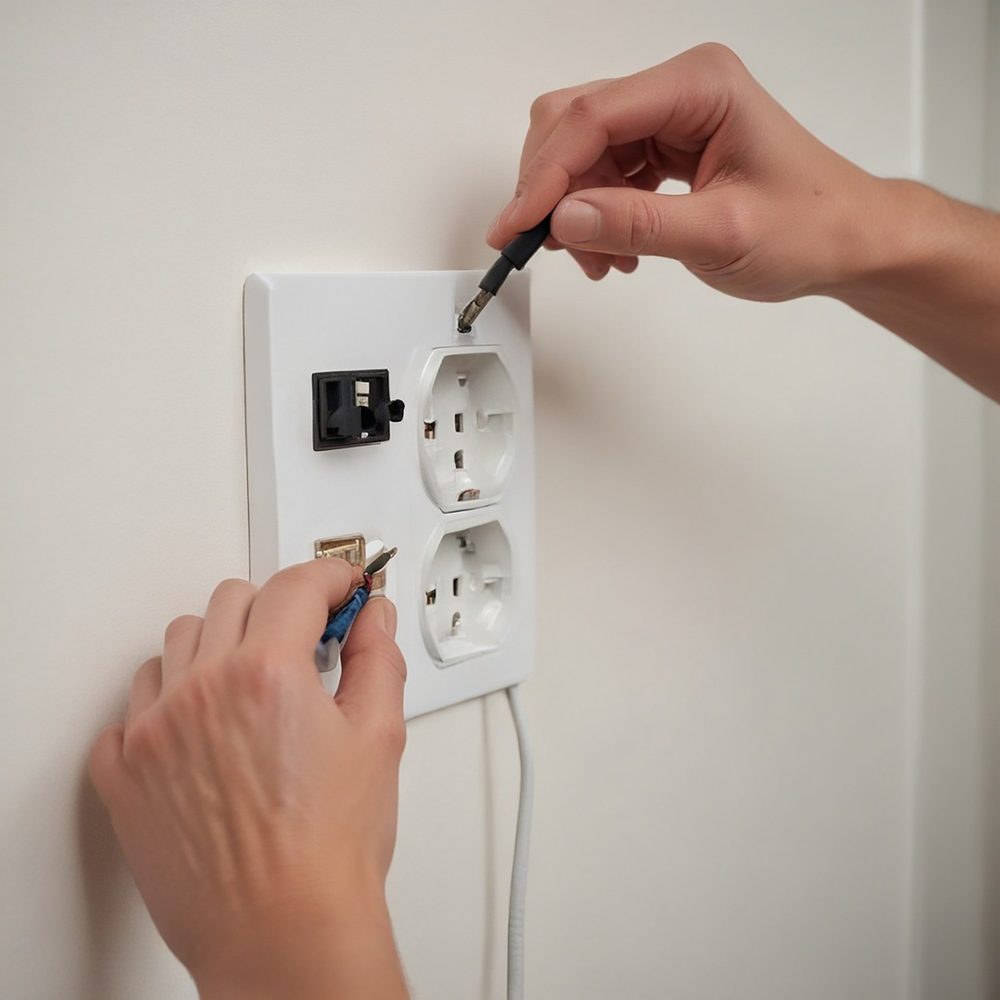
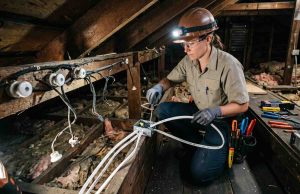
Electrical work starts with the power system that feeds a home or business. An electrician installs, repairs, and upgrades wiring, outlets, switches, breakers, lighting, panels, service equipment, and dedicated circuits. This trade also covers safety checks, code corrections, surge protection, generator connections, EV charger circuits, and panel capacity concerns. A licensed electrician reviews how power enters the property, how it moves through each circuit, and whether the system can support the demand placed on it. Common service calls may involve flickering lights, warm outlets, buzzing panels, tripped breakers, failed GFCI outlets, outdated breaker boxes, or new equipment that needs a safe electrical connection. Electricians also help during remodels, tenant improvements, equipment upgrades, and emergency situations where power delivery or wiring safety needs professional attention from trained specialists who understand code, load, and electrical safety requirements.
What Does an HVAC Technician Do?
HVAC technicians work with the systems that control temperature, airflow, ventilation, humidity, and indoor comfort. Their work may include installing, inspecting, maintaining, and repairing air conditioners, furnaces, heat pumps, ducts, vents, thermostats, coils, blower motors, compressors, and refrigerant lines. A technician checks how the equipment heats or cools, how air moves through the property, and whether each component is performing as designed. Service calls often involve weak airflow, uneven room temperatures, loud equipment noises, frozen coils, short cycling, poor cooling, heating failure, dirty filters, duct leaks, or thermostat communication issues. Since HVAC systems use electrical parts, technicians may test controls inside the unit, yet larger wiring, breaker, panel, or dedicated circuit concerns usually require a licensed electrician for safe diagnosis and code-compliant repair before the equipment is powered again.
Where Electrical and HVAC Work Overlap
Comfort equipment depends on both mechanical operation and steady power. An air conditioner, furnace, heat pump, or ventilation system may use dedicated circuits, disconnect switches, control wiring, motors, capacitors, relays, thermostats, and breaker protection. This shared space is where confusion often starts. A cooling system may fail to turn on due to an internal equipment problem, a faulty thermostat, or a power supply issue outside the unit. Breaker trips can also point to several causes, such as an overloaded circuit, a short, a failing motor, or wiring damage. Clear diagnosis helps separate equipment performance from electrical delivery. HVAC technicians can inspect the heating or cooling system itself, while licensed electricians handle the power path that feeds it. When both sides are reviewed correctly, repairs are safer, cleaner, and more accurate for your property.
Signs You May Need an Electrician First
Several symptoms point toward an electrical issue before the HVAC equipment itself is inspected. Call a licensed electrician when the breaker trips repeatedly after the AC or furnace starts, lights dim when the system turns on, outlets feel warm, or a burning smell comes from the panel area. A blank thermostat can also trace back to wiring, a transformer, a breaker, or a power supply problem. Older breaker boxes, undersized panels, damaged disconnects, loose wiring, and missing dedicated circuits can place extra strain on comfort equipment. New HVAC installations may also require electrical upgrades before the system can run safely. When power delivery looks unstable, professional electrical testing gives you a clearer answer and helps protect the equipment, wiring, and people inside the property from avoidable risk during normal use and sudden demand spikes too.
Signs You May Need an HVAC Technician First
Comfort problems can point toward the heating or cooling equipment itself. Contact an HVAC technician first when rooms stay too warm or too cold, airflow feels weak, vents barely move air, or the system runs without changing the indoor temperature. Strange noises from the outdoor unit, frozen coils, water around the air handler, short cycling, dirty filters, duct leaks, and refrigerant concerns also fit the HVAC side. A technician can inspect mechanical parts, airflow paths, coils, blowers, compressors, heat exchangers, and thermostat communication within the comfort system. These symptoms usually relate to equipment performance instead of the building’s main electrical supply. Accurate HVAC testing helps identify worn parts, restricted airflow, or control issues before the system is pushed harder than it should be.
Why The Right Professional Saves Time and Reduces Risk
Choosing the correct trade keeps the repair path clear from the first call. Electrical and HVAC symptoms can look similar, but each requires different training, tools, and code knowledge. A misdiagnosed issue may lead to repeated visits, delayed repairs, higher costs, or unsafe equipment operation. Licensed electrical work is especially important when panels, breakers, service capacity, wiring, disconnects, or dedicated circuits are involved. HVAC expertise is better suited for airflow, refrigerant, ductwork, heating, cooling, and mechanical performance. Careful routing of the service call helps protect your property and gives each technician the right problem to solve.
Know Who to Call When Power Is Part of the Problem
A clear distinction between electrical and HVAC work helps you make a safer, smarter service decision. Comfort equipment may depend on power, yet heating and cooling performance issues require different training than wiring, breaker, panel, or circuit concerns. When you understand where the symptom starts, you can avoid confusion and move toward the right inspection without guessing.
At Aaron’s Electrical Service, we help when the problem points to power delivery, electrical safety, or system capacity. Our licensed electricians handle residential and commercial electrical services, emergency response, breaker boxes, service changes, panel changes, generator connections, EV charging circuits, wiring repairs, and electrical upgrades. We bring a customer-first approach, 24/7 availability Monday through Saturday, a satisfaction guarantee, and lifetime workmanship warranty to the electrical side of your property’s comfort and safety needs.
Need help deciding whether your issue is electrical? Contact us today and let our team guide your next step with confidence and proper care.
FAQs
Should I call an electrician or HVAC technician if my AC keeps tripping the breaker?
Repeated breaker trips usually point to an electrical issue that needs a licensed electrician before the HVAC system is used again. The cause may involve an overloaded circuit, damaged wiring, a weak breaker, or a problem with the equipment’s power supply. An HVAC technician may still be needed later if the unit itself has a mechanical fault.
Can an HVAC technician handle electrical problems?
HVAC technicians can test certain electrical components inside heating and cooling equipment, such as controls, motors, relays, and thermostats. Larger electrical concerns should go to a licensed electrician. That includes breaker problems, damaged wiring, panel capacity issues, disconnect damage, service changes, and dedicated circuit work that affects safe power delivery to the equipment.
Who should I call if my thermostat is blank?
A blank thermostat can come from an HVAC control issue or an electrical power problem. Start by looking at the bigger symptoms. If breakers trip, lights flicker, outlets feel warm, or the panel shows signs of trouble, call a licensed electrician. If airflow, temperature control, or equipment cycling is the main issue, an HVAC technician may be the right call.