
Quick Summary
Electrical injuries can happen through shock, burns, fatal contact, or falls caused by sudden contact with energized systems. Damaged wiring, hot panels, exposed conductors, overloaded outlets, wet areas, and faulty breaker boxes can all create serious safety risks in homes and businesses. Paying attention to warning signs early helps protect people, property, equipment, and daily routines while making professional electrical inspection and repair the safer next step.
Electrical hazards can show up in homes, offices, shops, warehouses, and outdoor work areas without warning. Damaged wiring, overloaded outlets, wet locations, faulty breaker boxes, exposed conductors, and aging panels can create unsafe conditions fast. Understanding the four main types of electrical injuries helps you see why electrical safety deserves careful attention before a small issue becomes dangerous. This topic is important for property owners, managers, and business operators who rely on safe power every day.
Let’s look at how these injuries happen, what warning signs may appear, and why unsafe electrical conditions should never be ignored indoors or outdoors.
Electric Shock
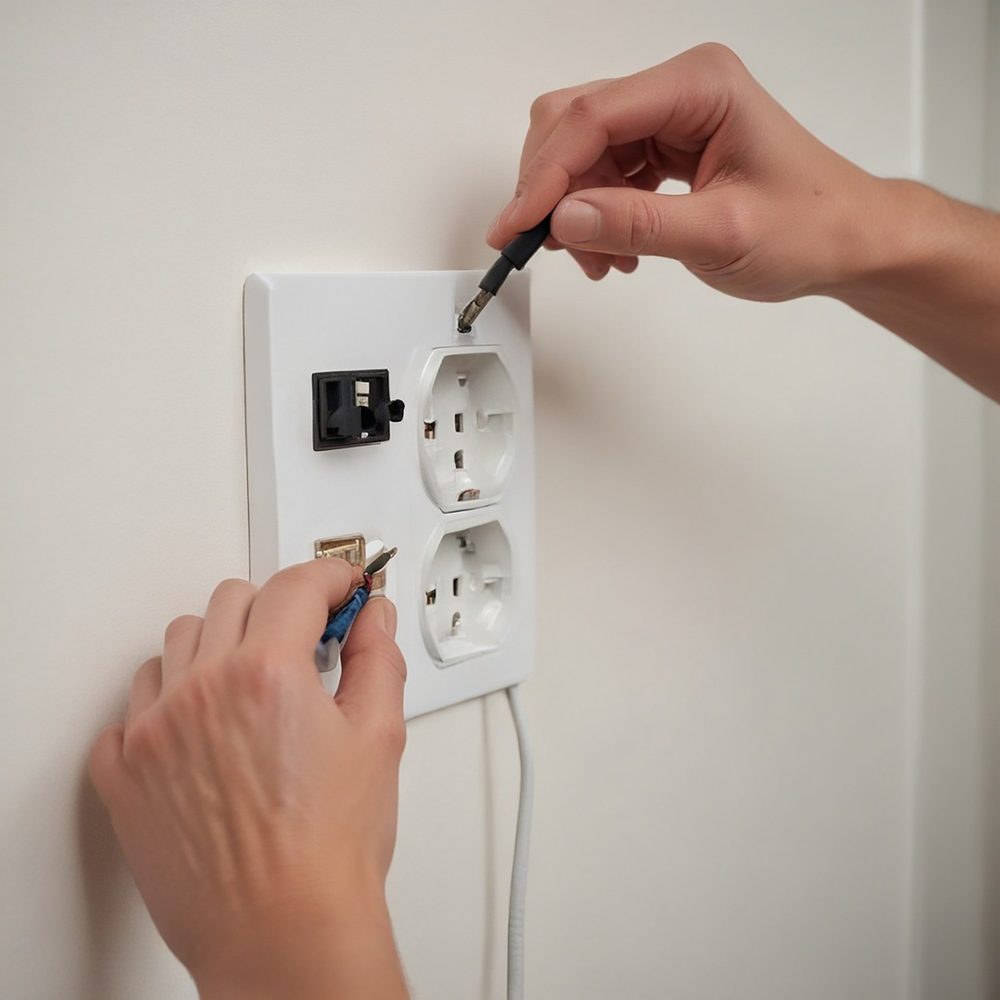
A sudden jolt can happen when current passes through the body after contact with an energized source. That contact may involve a damaged outlet, wet surface, faulty appliance, exposed wire, or metal part that has become live inside a home or business. Severity can change based on current strength, contact time, moisture, and the path the current takes through the body, so even a shock should be treated as a warning. Kitchens, bathrooms, garages, exterior outlets, workshops, and commercial equipment areas need extra attention when power problems appear. Flickering lights, repeated breaker trips, buzzing sounds, loose outlets, or burning smells can point to unsafe wiring that needs inspection before another person is exposed to the danger in your property, and those signs should lead to prompt evaluation by qualified electricians.
Electrical Burns
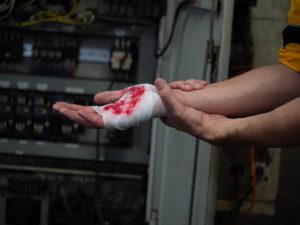
Heat-related damage can occur when current moves through tissue or when an electrical source releases intense heat near the skin. These injuries may come from exposed wiring, unsafe panels, overloaded circuits, worn cords, defective equipment, or improper connections near outlets, switches, appliances, or machinery. Surface marks may look small while deeper tissue damage remains hidden, so medical attention is important after serious contact. Arc flash can also create heat, bright light, pressure, and flying material near energized equipment, especially around commercial systems, generator connections, and electrical panels. Scorch marks, melted insulation, hot outlets, discolored switches, or burnt equipment odors should lead to professional repair that removes the hazard instead of leaving it active around people in the building, and activity should continue only after the source is corrected safely.
Electrocution
A fatal outcome is the most severe danger linked to electrical contact, and it demands serious respect from every property owner. It can happen when someone touches energized wiring, faulty equipment, service lines, or unsafe electrical components inside or outside a property during routine activity. High voltage creates extreme risk, while lower voltage systems can still become dangerous when water, damaged insulation, poor grounding, improper repairs, or exposed conductors are present. Recurring electrical problems should be treated as safety warnings that call for prompt attention from qualified electrical experts before risk spreads. Sparking breaker boxes, hot panels, crackling outlets, or damaged wiring should be handled by licensed professionals with training, tools, code knowledge, and protective equipment for safer results, and that response helps protect people and the electrical system itself.
Falls Caused by Electrical Contact
Loss of balance can happen after a shock startles the body, triggers a muscle reaction, or interrupts normal movement. This injury often occurs on ladders, roofs, scaffolding, platforms, attic access points, or elevated work areas near fixtures or wiring. Outdoor projects can raise the risk when ladders, tools, or materials move too close to overhead lines, while indoor hazards can appear during lighting work, ceiling fan replacement, warehouse maintenance, or troubleshooting near elevated fixtures. A fall may cause fractures, head injuries, back injuries, or other harm separate from the electrical contact itself. Safer planning starts with identifying hazards before anyone climbs or works near energized systems that may need repair, replacement, or shutdown by trained professionals, and that step can reduce exposure for families, employees, tenants, customers, and maintenance crews.
Protect Your Property with Safer Electrical Support
Safer power begins with taking warning signs seriously before shock, burns, fatal contact, or fall-related injuries put people at greater risk. Faulty wiring, hot panels, repeated breaker trips, damaged outlets, exposed conductors, and unsafe equipment can affect homes and businesses in different ways. At Aaron’s Electrical Service, we help you address these hazards through licensed residential and commercial electrical services, emergency response, breaker box work, service changes, panel changes, generator support, and EV charging installation. Our team is available 24/7 Monday through Saturday, and our work is backed by a lifetime workmanship warranty, customer-first service, and a satisfaction guarantee.
Contact us today to schedule professional electrical service and get safer, more dependable power for your property.
FAQs
What are the four main types of electrical injuries?
The four main types are electric shock, electrical burns, electrocution, and falls caused by electrical contact. Each one can happen when people come into contact with unsafe wiring, damaged outlets, faulty panels, wet areas, or energized equipment. These injuries can affect homes, workplaces, and outdoor areas.
What warning signs can point to electrical injury risks?
Warning signs may include flickering lights, repeated breaker trips, hot outlets, buzzing panels, burning smells, scorch marks, melted insulation, or exposed wiring. These signs can point to unsafe electrical conditions that need professional attention. Ignoring them may allow the hazard to become more serious over time.
Why should electrical problems be handled by licensed electricians?
Licensed electricians have the training, tools, and code knowledge needed to inspect electrical hazards safely. Electrical systems can remain dangerous even when the issue looks small from the outside. Professional service helps identify the source, repair the problem correctly, and reduce risks around your home or business.