

Quick Summary
A smooth Ring Floodlight Cam installation depends on choosing the right wired or plug-in setup, confirming safe outdoor power, and reviewing the existing electrical location before the camera is mounted. Proper planning helps prevent wiring problems, poor grounding, moisture exposure, weak Wi-Fi, and unstable camera placement. Once the electrical side is handled safely, app setup, motion zones, floodlight direction, and final performance checks help the system deliver better coverage and reliable security around your property.
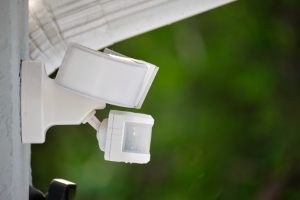
Adding a Ring Floodlight Cam can improve visibility, security, and daily peace of mind, but the electrical setup decides how smooth the project feels. Homeowners often search for how to install a floodlight without existing wiring when there is no old fixture, outdoor box, or safe power point in the preferred camera location. That question usually points to a deeper need: proper power, weather-rated mounting, safe circuit planning, and clean placement.
Let’s look at what affects the installation before any wiring decision is made.
Start With the Right Ring Floodlight Cam Setup
A cleaner security camera installation begins with matching the device to the power conditions at the preferred location. Wired Ring Floodlight Cam models fit areas that already have a suitable outdoor junction box and steady electrical supply from an existing floodlight or exterior fixture. Plug-in models may be better near a protected outdoor outlet, as long as the cord path can stay neat, protected, and appropriate for exterior use. Camera height, floodlight reach, driveway coverage, entry visibility, and Wi-Fi strength all influence that choice. Selecting the wrong version can lead to exposed cords, extra wall openings, unstable mounting, or poor camera angles, so a professional review should happen before equipment is purchased or mounted. The final choice should fit safety needs, property layout, and daily security goals without creating avoidable electrical work, fixture gaps, service problems, or avoidable changes later after installation begins.
Review the Existing Outdoor Electrical Location
A safe outdoor camera location needs more than a clear view of the driveway or entryway. Behind the fixture, the electrical box must be stable, weather rated, properly placed, and free from damage that could affect the camera after installation. Older floodlight boxes may have corrosion, loose screws, brittle wire insulation, poor sealing, or shallow depth that limits safe mounting. Height also affects the way the camera detects motion and spreads light across gates, patios, garages, and side yards.
Power quality deserves the same attention. A licensed electrician can evaluate the circuit load, breaker condition, grounding path, wire condition, and any moisture inside the box before a floodlight camera is connected. Wi-Fi signal strength should also be tested in the selected area, since weak coverage can affect alerts, live view, and recorded video. With that information, the final placement can support both electrical safety and everyday security performance for the property through changing weather.
Prevent Wiring Problems Before They Slow the Project Down
Small details in an outdoor camera installation can create wiring trouble if they are missed early. A missing junction box, loose fixture support, or damaged cable can keep a Ring Floodlight Cam from mounting safely. Wire color can also confuse the job in older homes, especially when previous repairs were done poorly. Grounding should be confirmed before the fixture is connected, since outdoor equipment needs a safe path for fault current. Dimmer switches, timers, and overloaded circuits can also interfere with proper floodlight camera operation.
Moisture is another common concern around exterior lighting points. Gaps behind the mounting plate, cracked siding, and unsealed box openings can let water reach electrical parts. Breaker issues may appear when the camera shares power with too many devices or aging outdoor lights. Reviewing these concerns first helps the final installation stay cleaner, safer, and more reliable, with less risk of repeat service calls after the camera is active.
Prepare the Mounting Area for a Clean Installation
Careful preparation keeps the fixture secure, aligned, and protected from outdoor exposure. Power should be shut off at the correct breaker, then verified with proper testing equipment before the old fixture is removed. After that, the box needs to be checked for stable mounting, proper depth, correct rating, and enough room for the camera connections. Any damaged wire, brittle insulation, loose grounding, or water staining should be addressed before the Ring Floodlight Cam is attached. The mounting plate should sit flat against the surface, with the wires routed through the intended opening and no pinching behind the base. Weather protection also needs attention, including tight fasteners, correct gasket placement, and sealed gaps where rain or humidity could reach the electrical box. A clean mounting area supports better fixture alignment and helps the camera stay steady through heat, storms, vibration, and repeated light activation.
Set Up the Camera for Better Coverage and Performance
Once the electrical work is complete, final setup should connect the Ring app settings with the physical camera position. The app handles device connection, naming, Wi-Fi setup, and basic preferences, while the installed angle determines how useful those settings feel during daily use. Lens direction should focus on the main entry, driveway, gate, garage, porch, or side yard while respecting nearby property lines. Floodlight direction should support that view by brightening walking paths, dark corners, and access points without creating glare toward windows. Motion zones, sensitivity, light schedules, siren settings, audio, and notifications can then be adjusted after normal activity patterns are observed. A final performance check confirms clear nighttime video, quick alerts, reliable lighting, and practical visibility around the areas you depend on most.
Get the Security Camera Setup You Wanted Without Wiring Stress
Clean Ring Floodlight Cam installation comes down to safe power, solid mounting, weather protection, and a setup that fits the property. A camera may look simple on the box, yet outdoor electrical work can involve hidden wiring issues, older boxes, grounding concerns, or circuit limits. A careful plan helps the system look cleaner, work more consistently, and support the security coverage you expect without leaving exposed connections or weak mounting points.
At Aaron’s Electrical Service, we help homeowners and businesses install outdoor security lighting, Ring Floodlight Cam wiring, breaker boxes, panel changes, service changes, generators, EV charging equipment, and related electrical upgrades. Our licensed electricians bring a customer-first approach, 24/7 availability Monday through Saturday, a satisfaction guarantee, and a lifetime workmanship warranty, so you can feel confident that the electrical side is handled with care.
Contact us to schedule your electrical service and get a safer Ring Floodlight Cam setup for your property.
FAQs
Can a Ring Floodlight Cam be installed without existing wiring?
Yes, but the right approach depends on the camera model and the power available at the location. A plug-in model may work near a safe outdoor outlet, while a wired model needs a proper exterior junction box and steady electrical supply. A licensed electrician should review the setup before any electrical work begins.
What can make Ring Floodlight Cam installation more difficult?
Common issues include missing junction boxes, damaged wiring, poor grounding, worn breakers, weak Wi-Fi, and moisture near the mounting area. Older outdoor lights may also hide loose supports or unsafe connections. These conditions should be checked before installation so the camera can operate safely and stay secure after mounting.
Why should a licensed electrician handle the wiring side?
Outdoor camera wiring involves power, grounding, weather exposure, and circuit safety. A licensed electrician can confirm the wiring condition, breaker capacity, mounting support, and weather-rated protection before the camera is connected. Professional installation also helps reduce exposed wiring, nuisance repairs, unstable power, and safety concerns after the system is active.