

Quick Summary
Safely locating a possible short circuit starts with calm observation and a careful first response. Watch for tripped breakers, power loss in one area, damaged outlets, unusual smells, buzzing sounds, heat, sparks, or devices that were running before the issue started. Avoid opening outlets, touching wiring, or repeatedly resetting the breaker. Clear notes can help a licensed electrician inspect the affected circuit, find the fault, and repair the problem safely.
When a breaker trips, lights flicker, or an outlet suddenly stops working, it can feel stressful fast. Short circuits are common electrical problems in home wiring, and they may happen when wiring is worn, overloaded, damaged, or installed without proper safety care. Knowing how to find a short in-house wiring starts with calm observation, not risky repairs. You can look for clues, protect your household, and avoid touching unsafe components. From there, a licensed electrician can inspect the system and correct the problem safely.
Here’s what you can do when you suspect a short circuit in your home.
Start With a Safe First Response Before Looking for Clues
Safety should come first when you suspect a short circuit. Step away from the affected outlet, switch, fixture, or appliance, then keep children and pets away from that area. If you see smoke, sparks, melted plastic, or active flame, leave the area and contact emergency help right away. If conditions look stable, turn off the affected breaker only if you can reach the panel safely and the panel area is dry. Avoid touching exposed wiring, opening outlet covers, removing switches, or resetting the breaker again and again. Repeated breaker trips are warning signs that the circuit needs professional attention. Once the immediate area is safe, start observing which room, device, outlet, or fixture seems connected to the electrical problem.
Check Which Breaker or Area Lost Power
A tripped breaker can give you the first useful clue. Look at the electrical panel from a safe distance first, then identify which breaker moved to the off or middle position if the area is dry and there is no burning smell. Once you know the affected breaker, notice which rooms, lights, outlets, or appliances lost power. This helps separate one circuit problem from a wider electrical issue. Avoid forcing the breaker back on if it trips again right away. That repeated reaction can point to a short circuit, damaged wiring, a faulty appliance, or an overloaded circuit. You can also compare nearby rooms to see whether the issue follows one wall, one fixture, or one group of outlets. Share these details with a licensed electrician so the inspection starts with a clearer picture and helps reduce unnecessary guesswork later.
Look for Warning Signs Near Outlets, Switches, and Fixtures
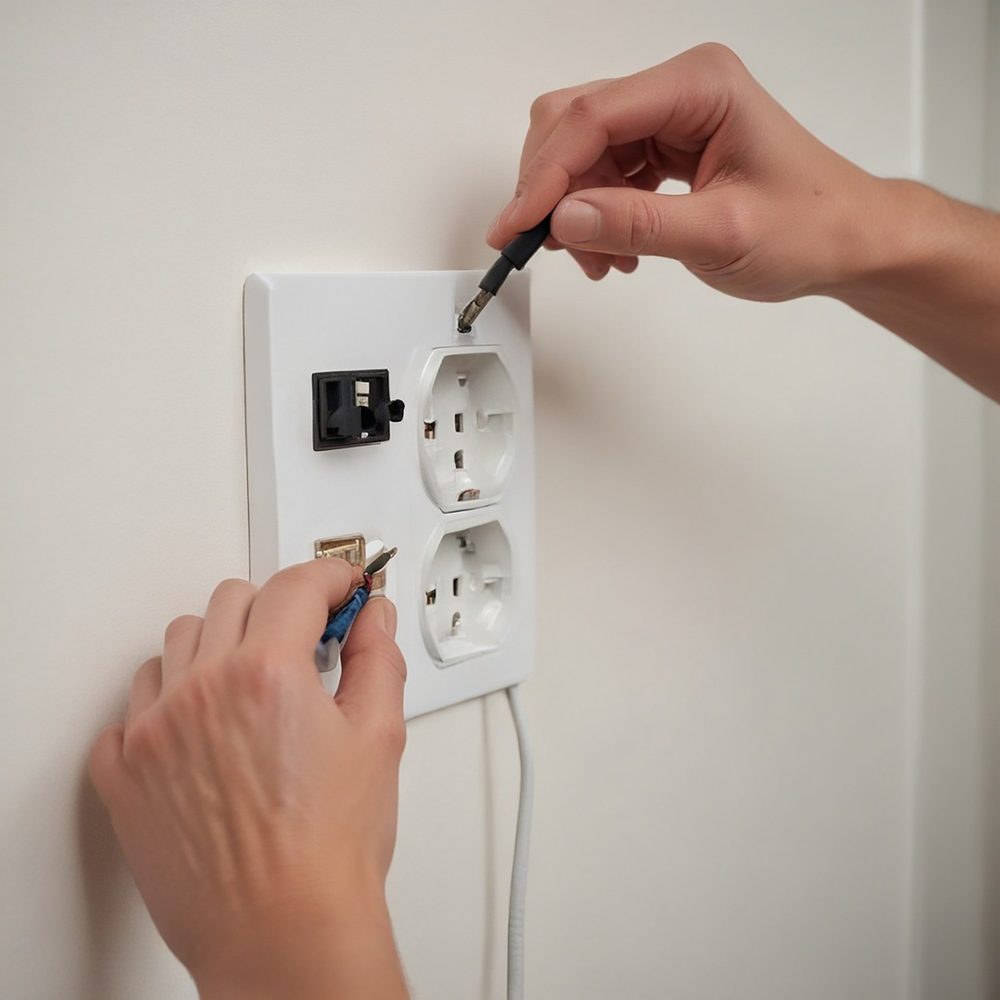
Small clues around the affected room can help narrow the search without touching unsafe wiring. Stand back and scan nearby outlets, switches, ceiling fixtures, and wall plates for discoloration, scorch marks, cracked covers, melted edges, or loose plugs. A short circuit can also leave one outlet dead while another nearby outlet still works. Do not remove covers or pull devices from the wall, even when the surface looks normal. Internal wiring problems can stay hidden behind a clean faceplate. Pay attention to lights that flicker only on one switch, a fan that stops after a breaker trip, or a receptacle that feels unusually warm. You can also note whether the issue appears near a bathroom, kitchen, garage, outdoor outlet, or any area exposed to moisture. Those details help a licensed electrician focus on the most likely source during a safe inspection with the right tools.
Notice Which Appliance or Device Was in Use
Sometimes, the clue comes from what was running right before the breaker tripped. Think about any appliance, charger, tool, lamp, vacuum, space heater, disposal, or small kitchen device that was plugged in or switched on at that moment. After power is off, unplug the device if it is safe to reach, then leave it unplugged until a professional can review the circuit. Check the cord, plug, and outlet area from the outside only. Look for fraying, burn marks, melted insulation, looseness, or a hot surface. Avoid testing the device again to see what happens. Repeating the same trip can place more stress on wiring and increase the risk of damage. A clear timeline helps separate a faulty device from a wiring issue hidden inside the wall or panel during the next professional diagnostic visit safely.
Pay Attention to Smells, Sounds, Heat, or Sparks
Your senses can reveal danger before the source is visible. A burning odor, buzzing sound, crackling noise, warm outlet, hot wall plate, or quick spark near a plug should be treated seriously. Stop using that area right away and keep the circuit off if you can do so safely. Do not touch the outlet to “check” the heat if it already looks discolored, melted, or damaged. Visible sparks, smoke, or a sharp electrical smell may signal an active hazard that needs urgent help. Moisture near outlets, outdoor receptacles, garage wiring, or kitchen circuits can raise the risk even more. Make a note of where the smell, sound, heat, or spark appeared, then wait for a licensed electrician to inspect the wiring with proper testing equipment. Those observations can guide the inspection while keeping you back.
Write Down What Happened Before the Breaker Tripped
Clear notes can make the professional inspection faster and more accurate. Write down which breaker tripped, what room lost power, what device was running, and whether you noticed heat, odor, buzzing, sparks, or discoloration. Also note the time, recent storms, moisture exposure, or new equipment added to the circuit. Avoid guessing or resetting the breaker repeatedly. Simple details can point the electrician toward the safest starting point for later diagnosis.
Let A Licensed Electrician Complete the Full Inspection
A suspected short circuit should never be treated like a small inconvenience. Safe first response means reducing risk, watching for clear clues, and leaving the deeper inspection to trained professionals. Once you know the affected area, stop using that circuit and keep notes about what changed before power failed. Those details can help the repair process move in the right direction without exposing your household to unsafe wiring.
At Aaron’s Electrical Service, we inspect house wiring, breaker boxes, service panels, outlets, switches, fixtures, and connected equipment with licensed electricians who know how to trace electrical faults safely. We can repair damaged wiring, handle panel changes, support service changes, respond to urgent electrical concerns, and help with related needs such as generators and EV charging. Our work is backed by customer-first service, a satisfaction guarantee, and a lifetime workmanship warranty.
Call us or request service online today if you suspect a short circuit in your home.
FAQs
What are the signs of a short circuit in house wiring?
A short circuit often shows up through a breaker that trips right away, power loss in one area, a burning odor, buzzing sounds, warm outlets, sparks, or discolored wall plates. You may also notice one appliance or device causing trouble when it is plugged in. Stop using the affected area and call a licensed electrician for safe inspection.
Can I locate a short circuit without opening outlets or switches?
You can narrow down the possible location by observing which breaker tripped, which room lost power, and what was running before the issue started. Look for visible warning signs from a safe distance. Do not open outlets, remove switches, or test wiring yourself. Those steps require proper tools, training, and safe diagnostic procedures.
Should I reset the breaker after it trips from a short circuit?
Resetting a breaker once may seem simple, but repeated trips should be treated as a warning. A breaker that trips again right away may point to damaged wiring, a faulty appliance, or an unsafe electrical fault. Leave the circuit off, keep the area clear, and schedule a professional inspection before using that circuit again.