

Quick Summary
Proper security camera wiring starts with a clear plan for camera placement, cable routing, power access, and recording equipment. Indoor wiring needs clean paths through walls, ceilings, attics, or utility spaces, while outdoor wiring needs weather-rated protection, sealed entry points, and secure mounting. Reliable power support, organized connections, system testing, and service access all help cameras deliver steady performance. Professional electrical support helps protect your property with safer wiring, cleaner installation, and dependable indoor and outdoor coverage.
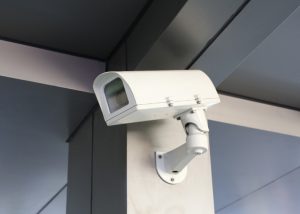
Reliable security camera coverage starts with wiring that supports clear video, steady power, and safe placement indoors and outdoors. When you search for how to install security camera wiring, the real focus should be proper planning, protected cable routes, weather-rated materials, and safe electrical connections. Indoor cameras need clean paths through walls, ceilings, attics, or utility spaces, while outdoor cameras need added protection from rain, heat, pests, and physical damage. Power sources, breaker boxes, surge protection, and cable organization also shape how well the system performs.
Let’s walk through the professional installation approach used to create safer, cleaner, and more dependable camera wiring.
Start With the Right Security Camera Wiring Plan
Proper planning sets the direction for every camera wire, power point, and recording connection. Before installation begins, a professional layout should identify the areas you want to monitor, such as entry doors, driveways, hallways, stock rooms, parking areas, or exterior gates. Camera height, viewing angle, lighting conditions, and cable distance should be reviewed together so each camera supports clear coverage.
From there, wiring routes can be mapped through walls, ceilings, attics, crawl spaces, or exterior surfaces before permanent work begins. A clean layout keeps cables organized, limits unnecessary exposed wiring, and helps connect each camera to the right power source. Power access should be reviewed at the same stage, especially when cameras connect through PoE switches, low-voltage power supplies, outlets, or dedicated equipment locations. Larger homes and commercial buildings should also account for recorder placement, network access, future camera expansion, and backup power before installation moves forward.
Choose The Proper Camera Type and Wiring Method
Different systems call for different wiring choices, so the camera format should be matched with the building layout before installation moves forward. A PoE camera uses Ethernet cable to carry both data and power from a network switch or recorder, which can reduce separate power runs. An analog camera usually uses coaxial cable for video, often paired with a separate power line or combined cable. Some wireless cameras still need a dependable outlet or low-voltage power connection, so they should never be treated as completely wire-free.
Material ratings also guide the setup. Indoor cable may need general-purpose, riser-rated, or plenum-rated protection, depending on where the cable passes through the building. Outdoor cable should be rated for moisture, sunlight, and temperature changes, especially near walls, soffits, garages, gates, and parking areas. Longer routes need attention to voltage drop, signal quality, connector type, protected pathways, and future service access. Matching the wiring method to the camera type helps the system deliver clearer video with safer power support.
Prepare Indoor Camera Wiring for Clean Coverage
Inside a home or commercial space, camera wiring should follow clean paths that support both visibility and safety. Ceiling cavities, attic areas, closets, utility rooms, and wall spaces often provide better routing than exposed cable across finished surfaces. Each route should protect the cable from sharp edges, heat sources, foot traffic, storage items, and future renovation work. A neat path also helps the camera blend into the space while keeping the system easier to service.
Cable rating should match the area where the wire travels. Plenum spaces, riser paths, and general interior routes may call for different approved cable types. Camera placement should also account for lighting, door swing, ceiling height, blind spots, and network equipment location. Wires should stay separated from line voltage where required, and connections should remain accessible for inspection or service. Careful indoor preparation supports cleaner footage, stable power, and a more professional security camera installation.
Prepare Outdoor Camera Wiring for Weather Protection
Exterior runs face harsher conditions than interior routes, so every cable path should be selected with exposure in mind. Rain, heat, sunlight, insects, rodents, landscaping equipment, and foot traffic can damage wiring when the route is left unprotected. A professional setup usually places exposed sections in conduit and uses cable rated for outdoor or direct burial conditions where needed. Wall penetrations should be sealed to reduce moisture entry, and connection points should sit inside weather-rated boxes or protected camera housings.
Placement also affects the wiring path. Cameras near soffits, garages, gates, detached structures, and parking areas may need longer routes, stronger protection, and careful power planning. Low areas can invite tampering or impact damage, while high areas may require safer access equipment during installation and service.
Any exterior cable should avoid loose hanging sections and unsupported spans. Ground level routes may need shielding where vehicles, tools, or equipment could strike the cable. With proper outdoor preparation, the system gains stronger protection against weather, signal disruption, and premature equipment failure.
Connect Cameras to Safe and Reliable Power Sources
Reliable operation depends on stable electrical support, especially when several cameras, recorders, switches, and monitors run at the same time. PoE systems draw power through Ethernet from a PoE switch or network video recorder, while other cameras may use low voltage adapters or nearby outlets.
Each option should be matched to the camera load, cable distance, and equipment location. Unprotected extension cords, overloaded outlets, and loose adapters can create safety concerns and poor system performance.
A safe setup also looks beyond the camera itself. Breaker boxes, panel capacity, surge protection, and grounding conditions can affect how well the system handles storms, outages, and daily use. Outdoor cameras may need weather-rated outlets or protected low voltage pathways. Larger properties may benefit from dedicated equipment areas with organized power, ventilation, and backup support. Professional power planning helps cameras stay dependable without placing stress on the electrical system. This review is especially helpful when older wiring or frequent breaker trips are present.
Secure, Test, and Organize the Camera Wiring System
After the cables, cameras, and power connections are in place, the system should be reviewed as one complete installation. Each cable should be fastened with approved supports, labeled where helpful, and protected from pull tension near cameras, recorders, switches, and power supplies. Connection points should also sit firmly in place, with no loose fittings or exposed conductors.
Once the wiring is secure, each video feed should be reviewed for camera angle, image clarity, night vision, and coverage area. Indoor cameras need attention to glare, blocked views, and clean cable appearance, while outdoor cameras need weather protection, sealed entry points, and stable mounting. Recorder settings, network access, and storage status should then be confirmed before the system is considered ready.
Protect Your Property with Safer Electrical Support
Strong camera performance starts with wiring that supports clear footage, steady power, and protected cable routes. Indoor and outdoor systems each need the right materials, safe routing, secure connections, and careful testing before daily use begins. A clean setup also makes future service easier, whether you add cameras, move equipment, or upgrade recording hardware. Proper electrical support helps reduce interruptions, exposed wiring, weather damage, and power strain across the property.
Our licensed electricians can help you install camera wiring with the safety and reliability your property deserves. We support homeowners and businesses with residential and commercial electrical services, emergency response, breaker box work, panel changes, service changes, surge protection, generator services, and EV charging. We can also review power access, outdoor wiring needs, equipment locations, and system support before permanent connections are made. Every job is handled with a customer-first approach, a satisfaction guarantee, and a lifetime workmanship warranty.
Call us to schedule professional security camera wiring support today. We are ready to help you protect your property with cleaner wiring and dependable electrical service.
FAQs
What type of wiring is best for security cameras?
PoE wiring is often a strong option for modern security camera systems since one Ethernet cable can carry both power and data. Some systems may still use coaxial cable, low-voltage wiring, or nearby power connections. The best choice depends on camera type, cable distance, recorder location, indoor routes, outdoor exposure, and power needs.
Can outdoor security camera wiring use the same cable as indoor wiring?
Outdoor camera wiring usually needs stronger protection than indoor wiring. Exterior cable should be rated for moisture, sunlight, heat, and physical exposure. Conduit, sealed wall penetrations, weather-rated boxes, and protected connection points help reduce damage from rain, pests, impact, and temperature changes. Indoor cable may need different ratings for walls, ceilings, or air spaces.
Why should a licensed electrician handle security camera wiring?
Security camera wiring often connects to outlets, low-voltage power supplies, breaker boxes, surge protection, and outdoor electrical areas. A licensed electrician can review safe power access, protect wiring routes, and reduce risks from exposed cable or overloaded circuits. Professional support also helps create a cleaner installation that is easier to service later.